Engineering calculation examples
Free, unit-aware calculation worksheets across structural, mechanical, electrical and more. Open any example into your own workspace to edit and reuse. New to Calculeaf? Start with your first worksheet or the examples guide.
Often opened: beam deflection formulas, bolt stiffness, pressure vessel wall thickness, ASME B31.8 pipe wall thickness, pressure drop in a pipe, weight from mass.
28 examples found
DNV-RP-F112 HISC Calculation
Calculate stresses in a pipe in accordance with DNV-RP-F112

Second Moment of Area
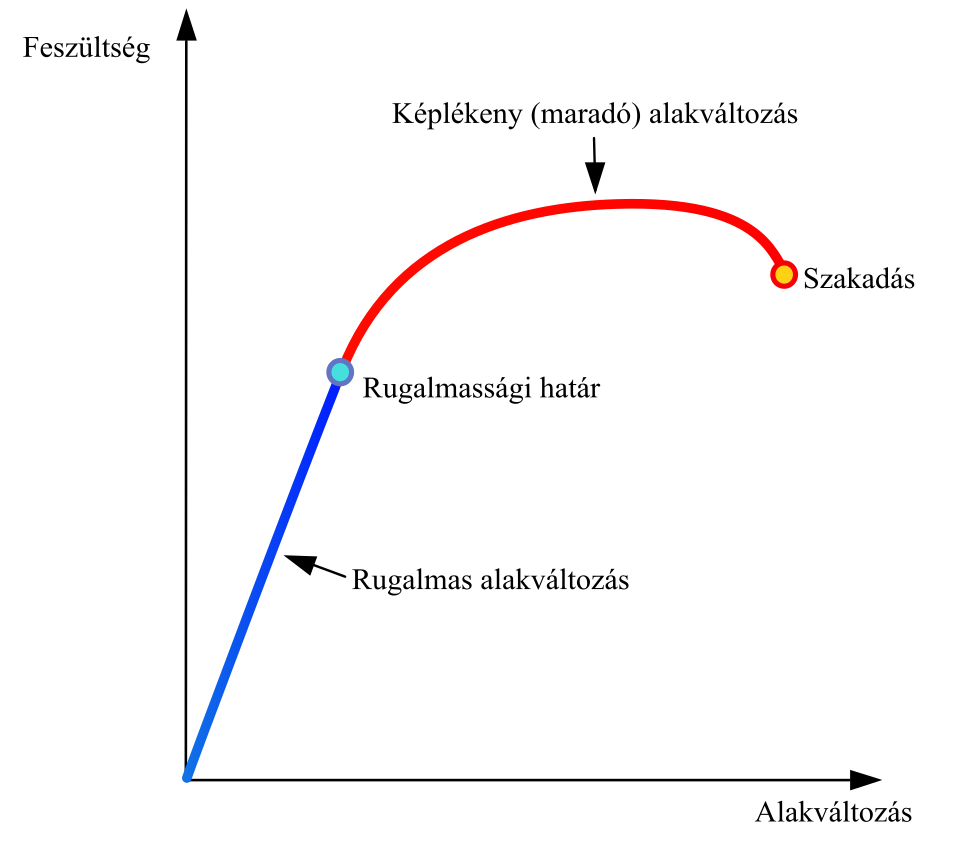
Axial Stress and Elongation of a Rod
Normal stress, strain and total elongation of a straight bar under an axial tensile load.
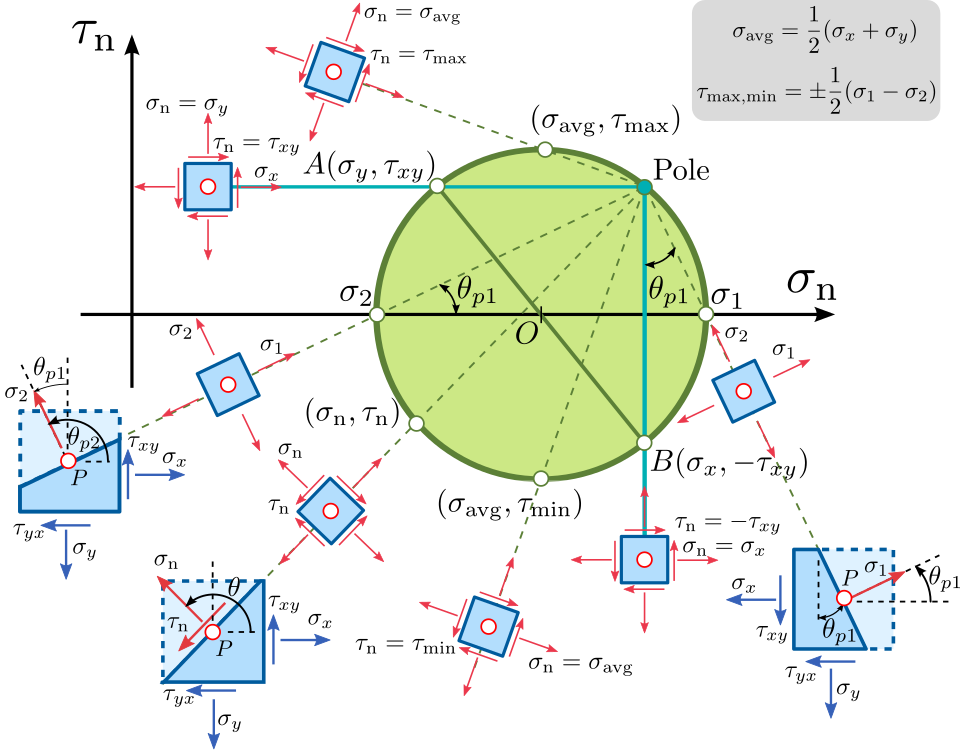
Principal Stresses (Mohr's Circle)
Principal stresses and maximum in-plane shear stress from a plane stress state using Mohr’s circle.

Axial Strain Energy
Elastic strain energy stored in an axially loaded member.
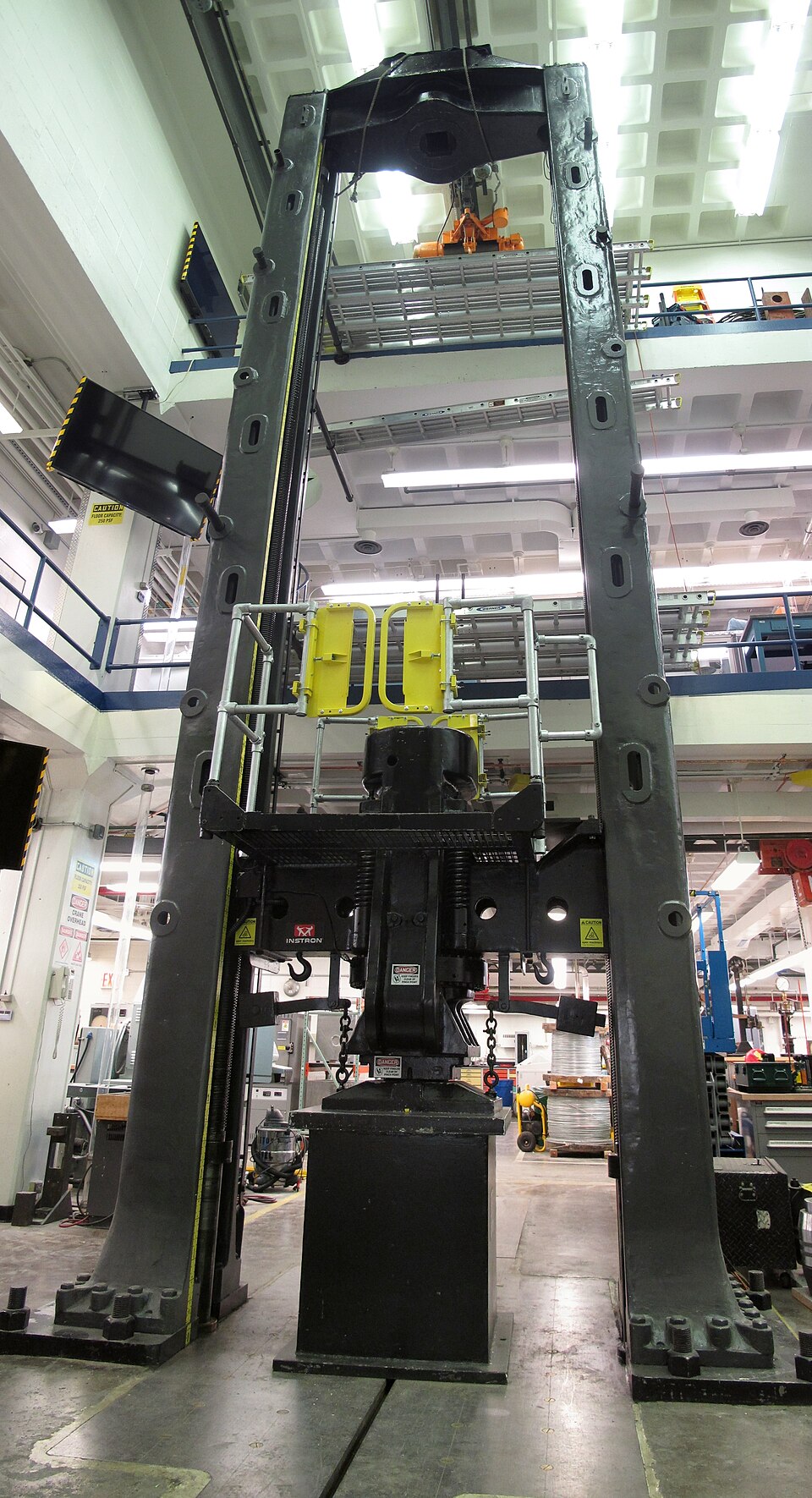
Shear Modulus from Elastic Constants
Shear modulus of an isotropic material from its Young’s modulus and Poisson’s ratio.
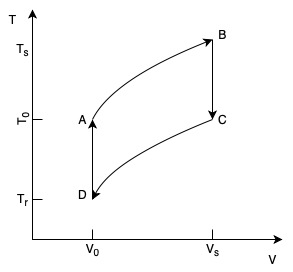
Lateral Strain (Poisson Effect)
Lateral contraction strain accompanying an axial strain via Poisson’s ratio.
Engineering Strain
Engineering (nominal) strain from the change in length and original length.
Engineering Stress
Engineering (nominal) stress from the load and original cross-section area.
Modulus of Resilience
Elastic energy a material absorbs per unit volume up to yield.
Free Thermal Strain
Thermal strain produced by a temperature change in an unrestrained member.

Stress Concentration at a Notch
Peak local stress at a geometric discontinuity from the stress concentration factor.
Cyclic Stress Range
Stress range of a fatigue cycle from its maximum and minimum stresses.
Mean Stress of a Fatigue Cycle
Mean stress of a fatigue cycle from its maximum and minimum stresses.
Factor of Safety on Ultimate Strength
Factor of safety comparing ultimate tensile strength to working stress.
Young’s Modulus from a Tensile Test
Young’s modulus from the stress and strain in the elastic region of a test.
Poisson’s Ratio from Strains
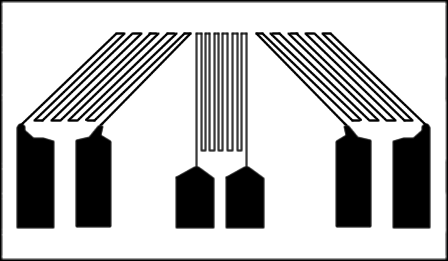
Poisson’s ratio from measured lateral and axial strains.
Area Thermal Expansion
Increase in area of a plate from a temperature rise.
Fracture Mechanics Stress Intensity Factor
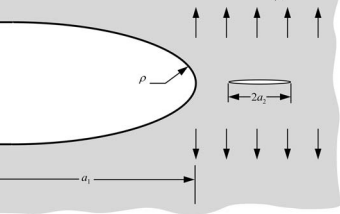
The stress intensity factor at the tip of a crack in a loaded component, the central quantity in linear elastic fracture mechanics.
Fatigue Life from Basquin's Law (S-N Curve)
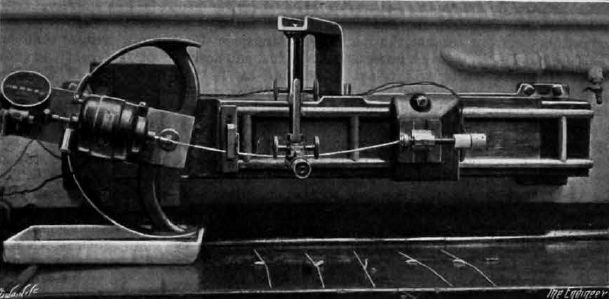
The number of cycles to fatigue failure predicted from an applied stress amplitude using the power-law form of the material's S-N curve.
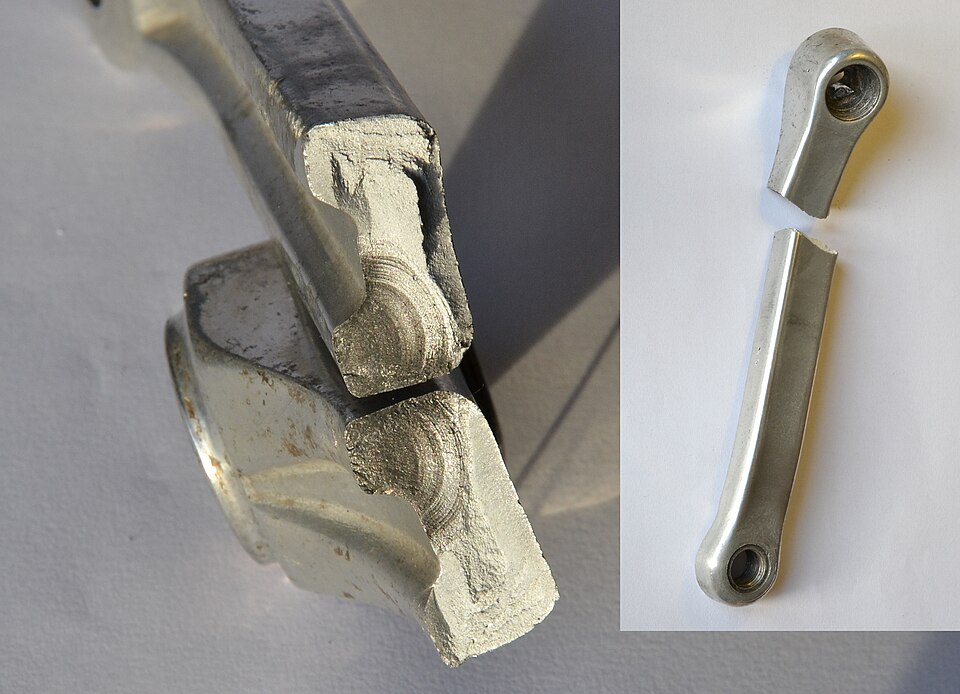
Miner's Rule Cumulative Fatigue Damage
The cumulative fatigue damage fraction from two distinct cyclic load levels, using the linear damage summation of Miner's rule.

Charpy Impact Toughness
The impact toughness of a material derived from Charpy V-notch test energy absorption normalized by the fractured ligament area.
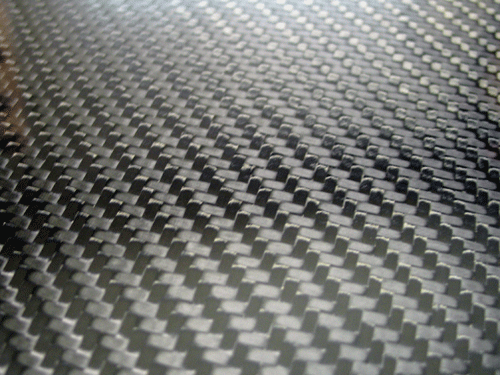
Composite Laminate Modulus (Rule of Mixtures)
The longitudinal elastic modulus of a fiber-reinforced composite predicted from the fiber and matrix moduli and the fiber volume fraction.
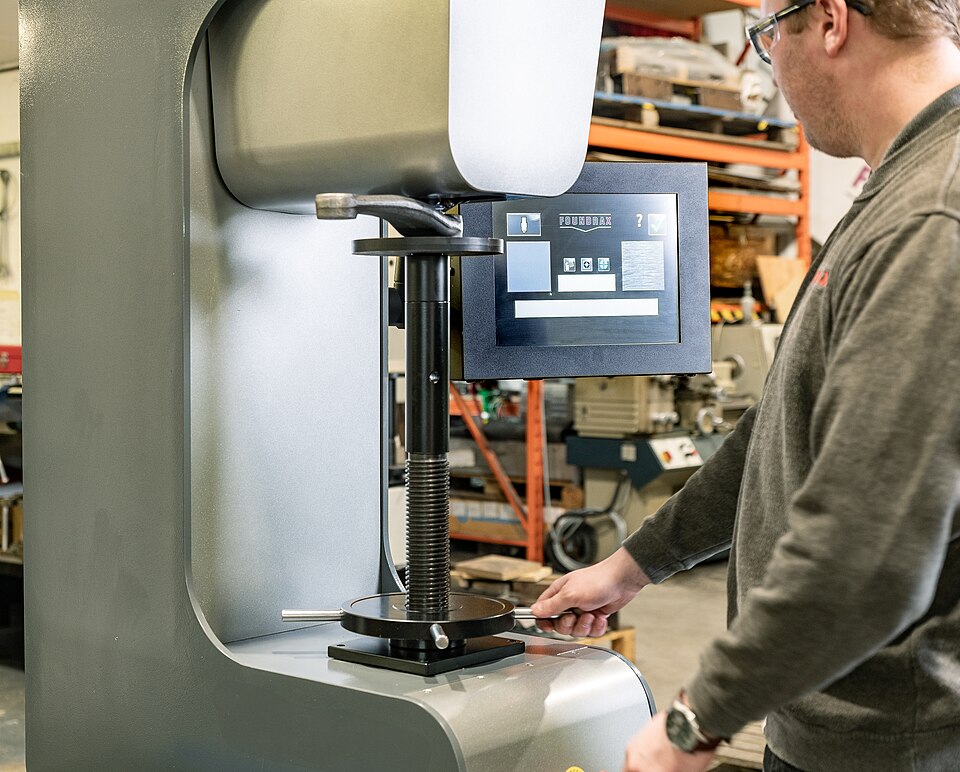
Brinell Hardness to Tensile Strength Conversion
An empirical estimate of ultimate tensile strength from a measured Brinell hardness number, widely used for quick steel strength screening.