Engineering calculation examples
Free, unit-aware calculation worksheets across structural, mechanical, electrical and more. Open any example into your own workspace to edit and reuse. New to Calculeaf? Start with your first worksheet or the examples guide.
Often opened: beam deflection formulas, bolt stiffness, pressure vessel wall thickness, ASME B31.8 pipe wall thickness, pressure drop in a pipe, weight from mass.
22 examples found
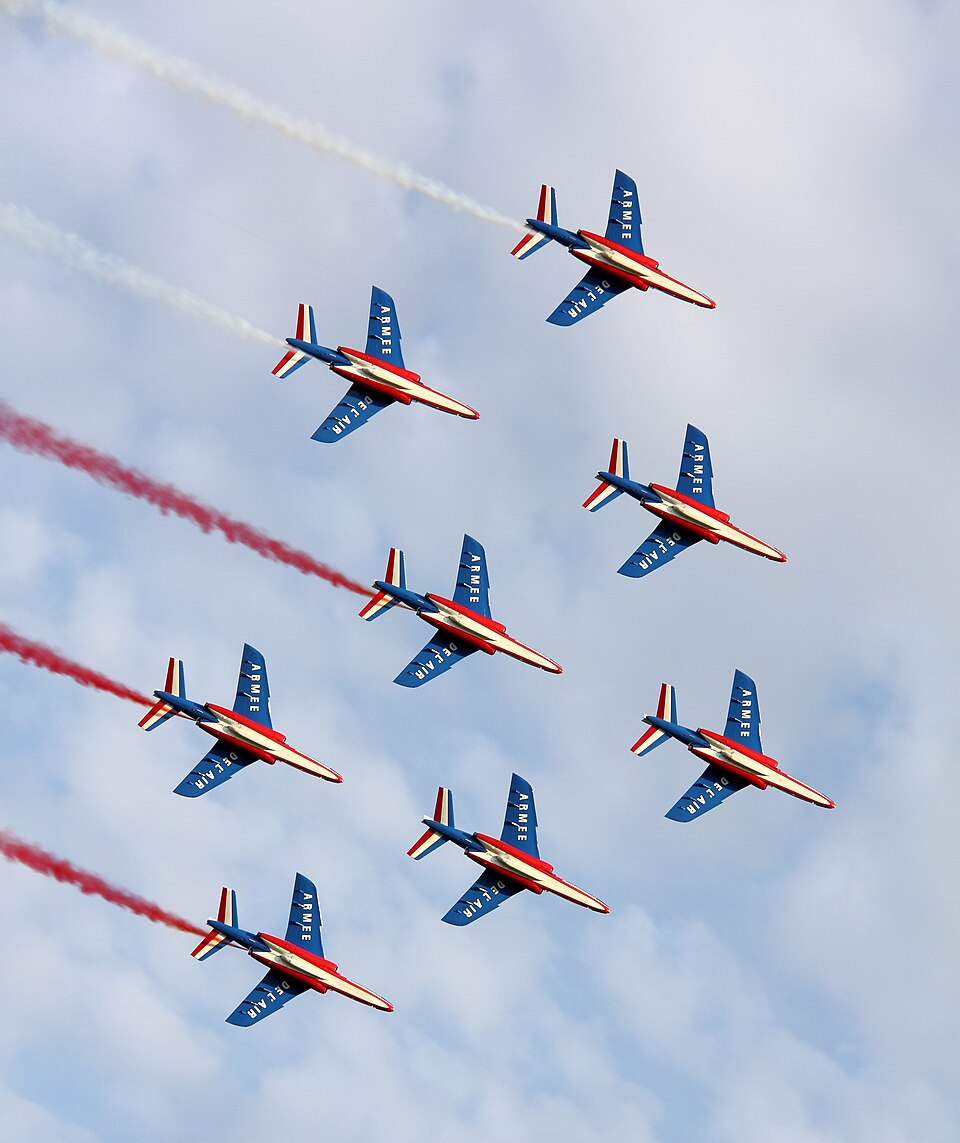
Aerodynamic Lift Force
Lift generated by a wing from its lift coefficient, speed and area.

Aerodynamic Drag of an Aircraft
Drag on an aircraft from its drag coefficient, speed and reference area.
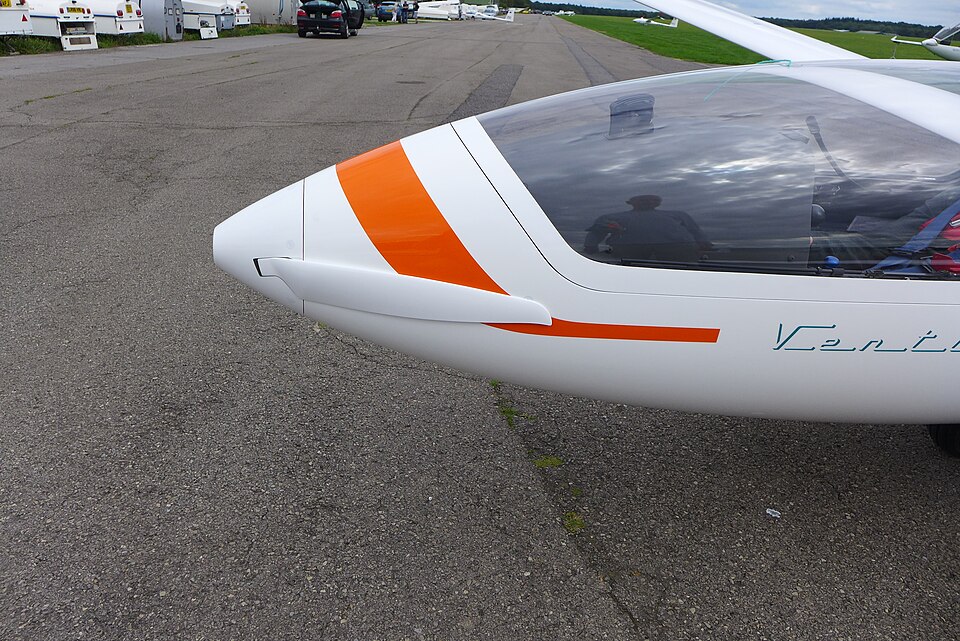
Lift-to-Drag Ratio
Aerodynamic efficiency of a wing as the ratio of lift to drag coefficients.
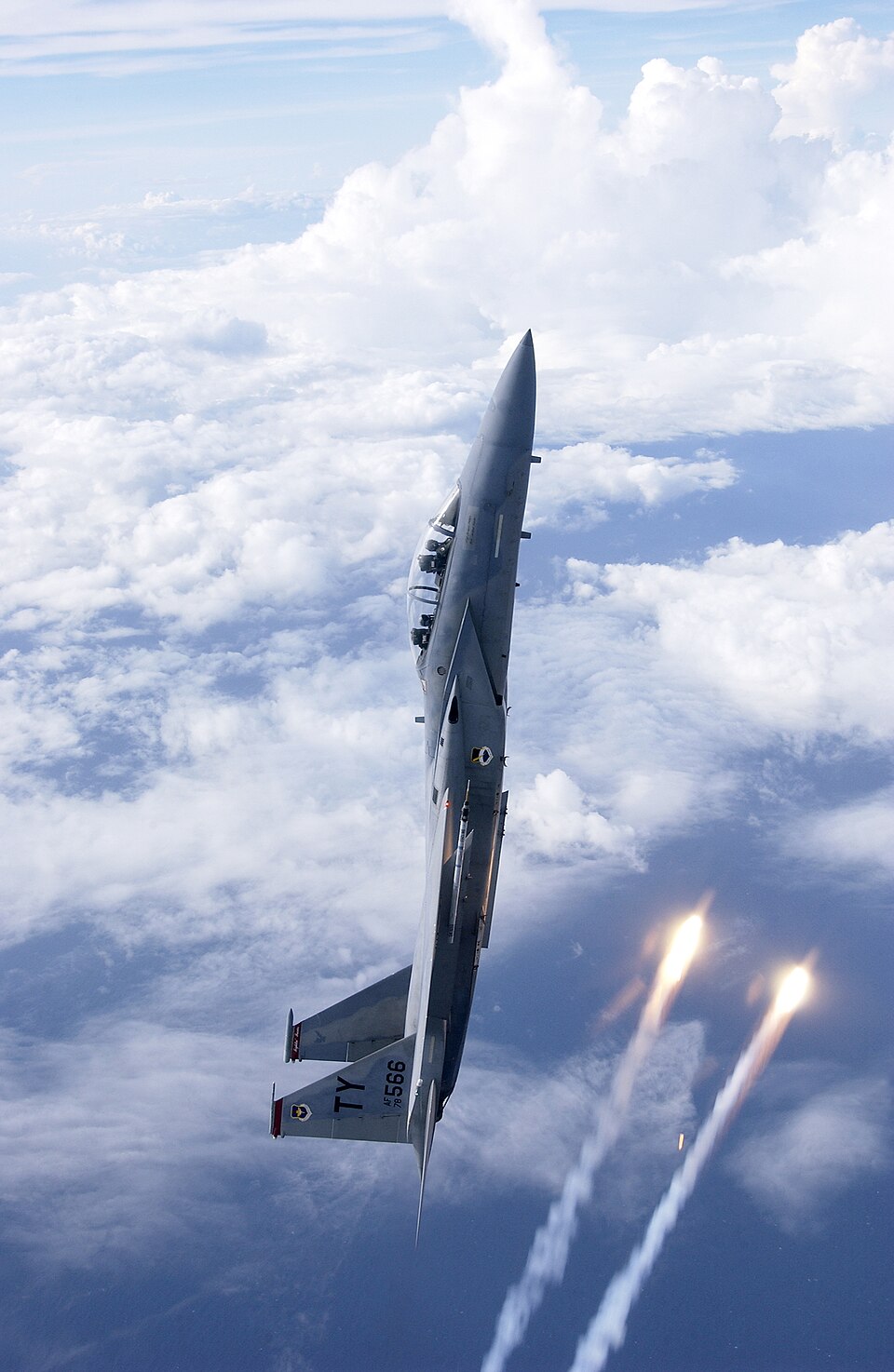
Wing Loading
Wing loading of an aircraft from its weight and wing area.
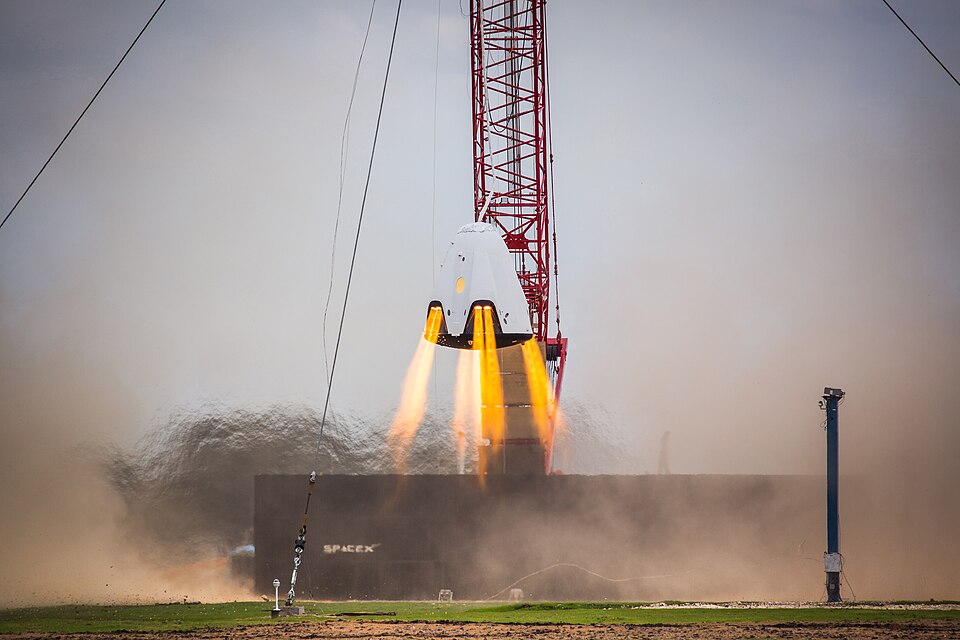
Thrust-to-Weight Ratio
Thrust-to-weight ratio of a vehicle from its thrust and weight.
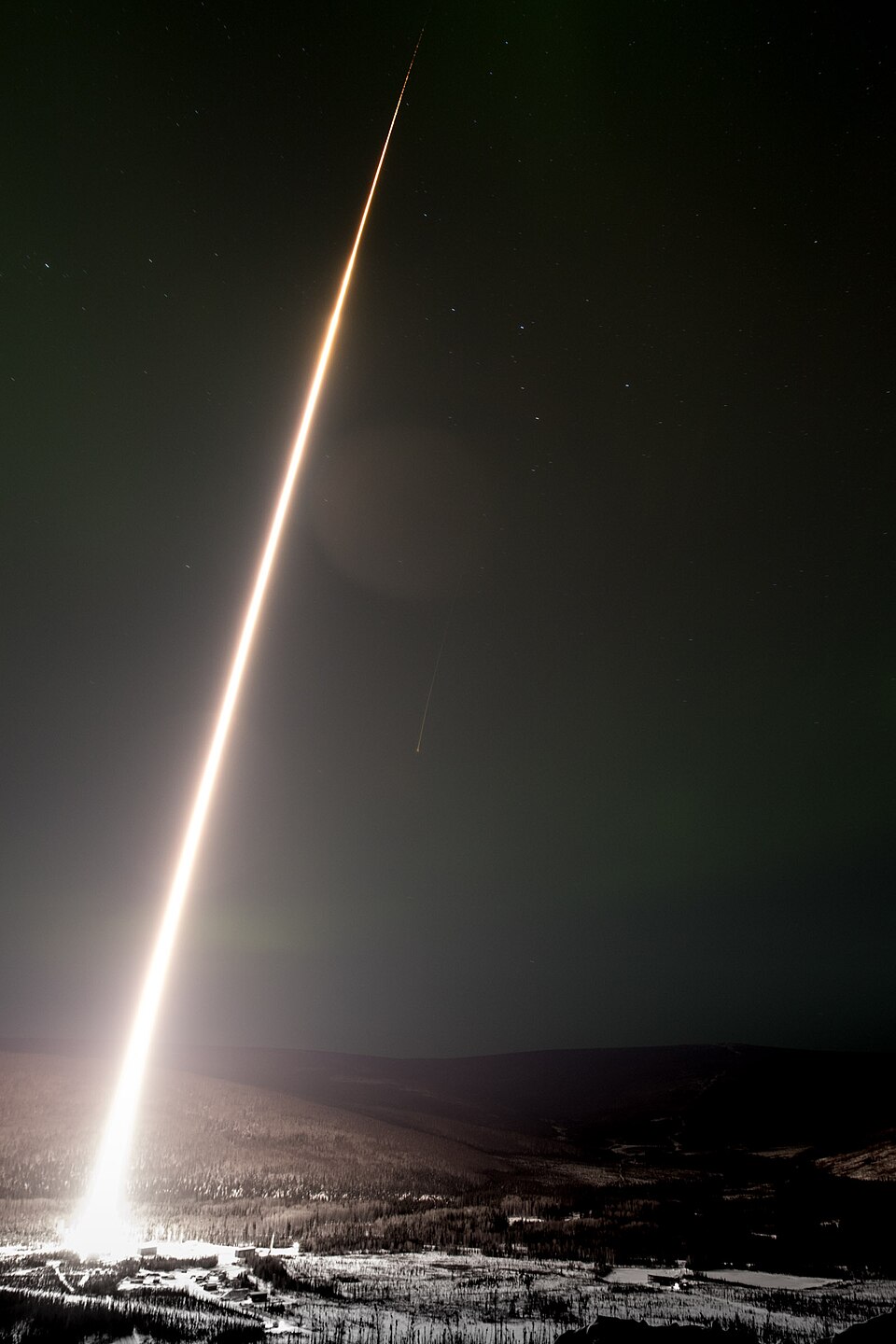
Rocket Equation (Delta-v)
Velocity change a rocket can achieve from its mass ratio and exhaust velocity.

Circular Orbital Velocity
Speed needed for a circular orbit at a given radius around a planet.
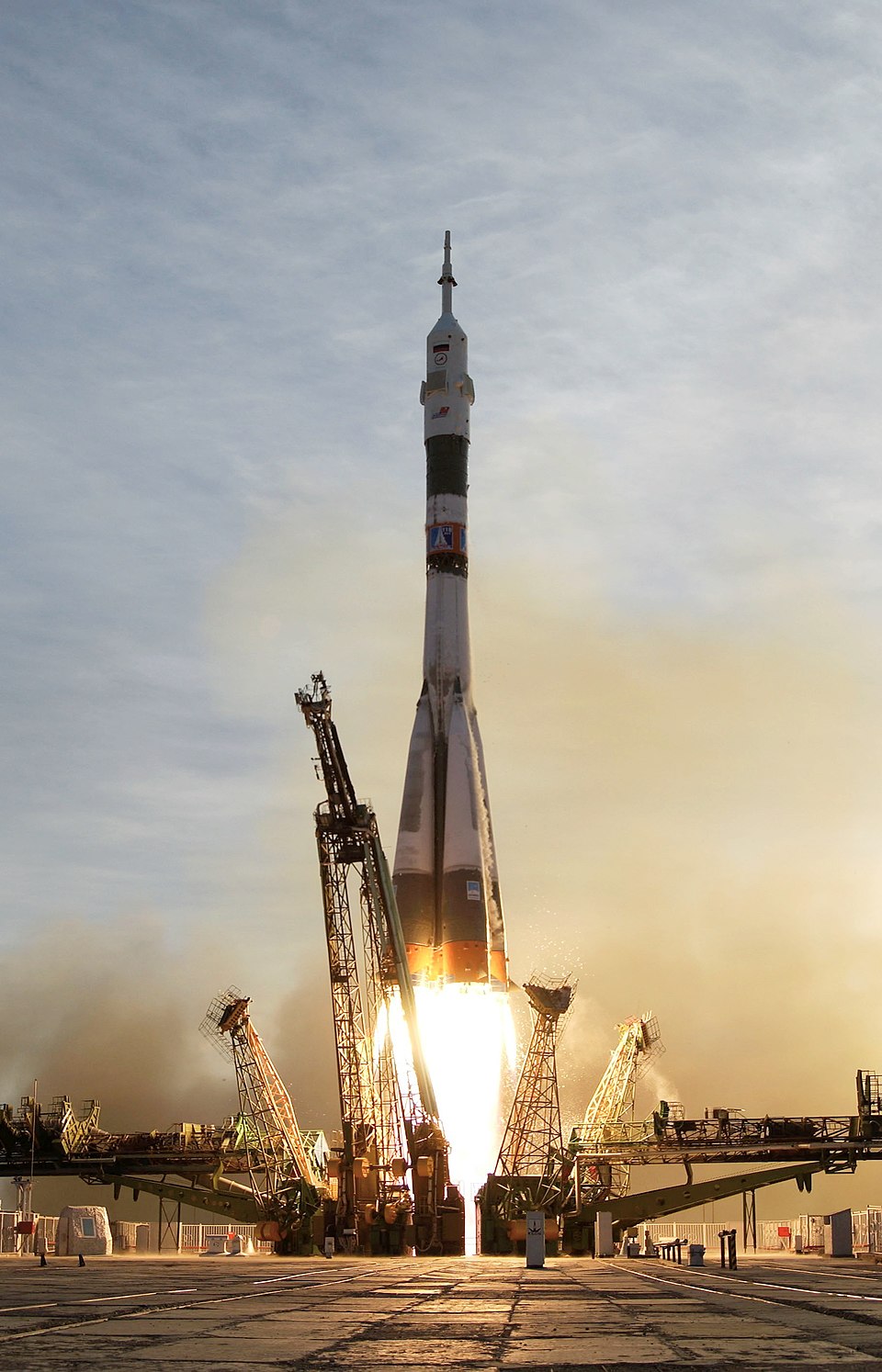
Escape Velocity
Speed needed to escape a planet’s gravity from a given radius.
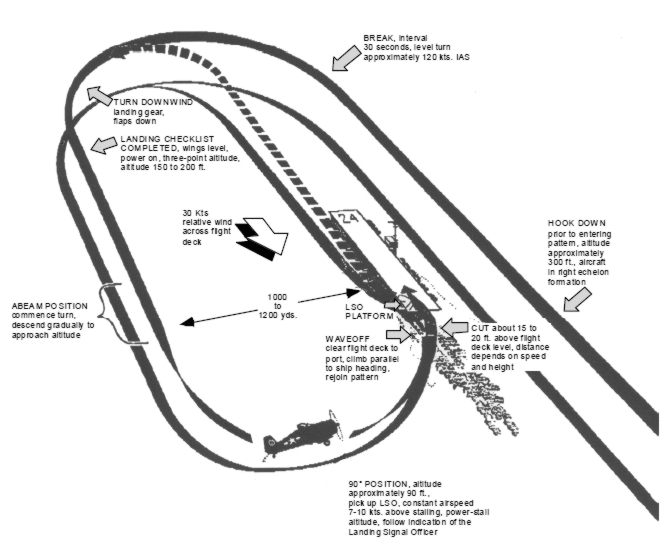
Stall Speed
Minimum flying speed of an aircraft at maximum lift coefficient.
Banked Turn Angle
Bank angle for a coordinated (no-slip) turn at a given speed and radius.
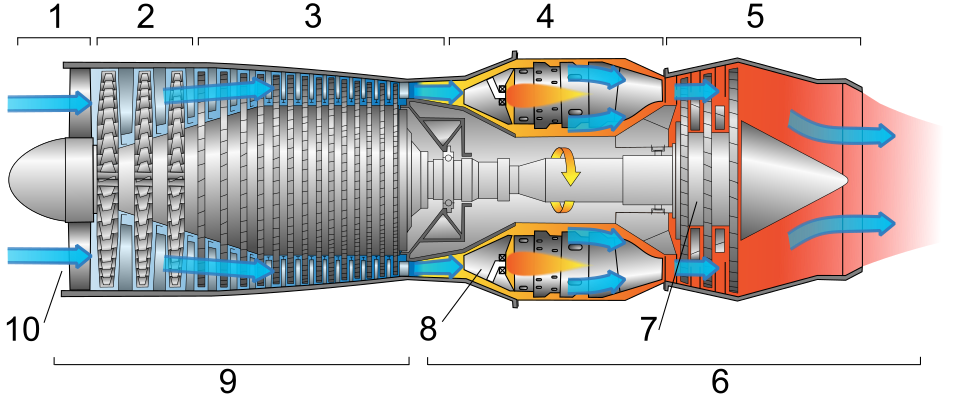
Specific Fuel Consumption
Specific fuel consumption — fuel mass per unit of energy produced.
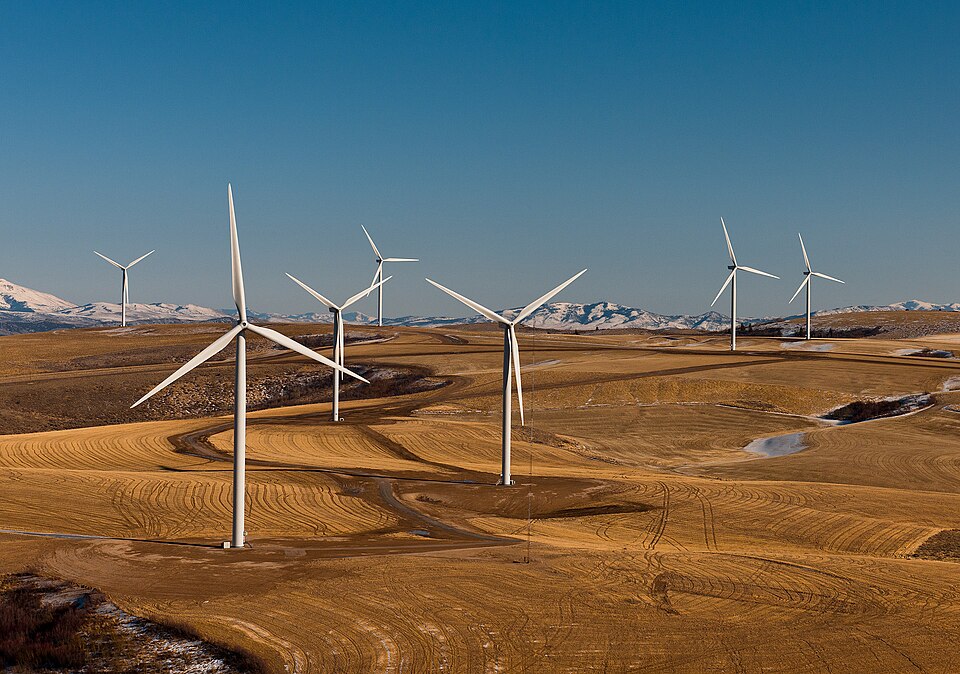
Wind Turbine Power
Power a wind turbine extracts from the wind.
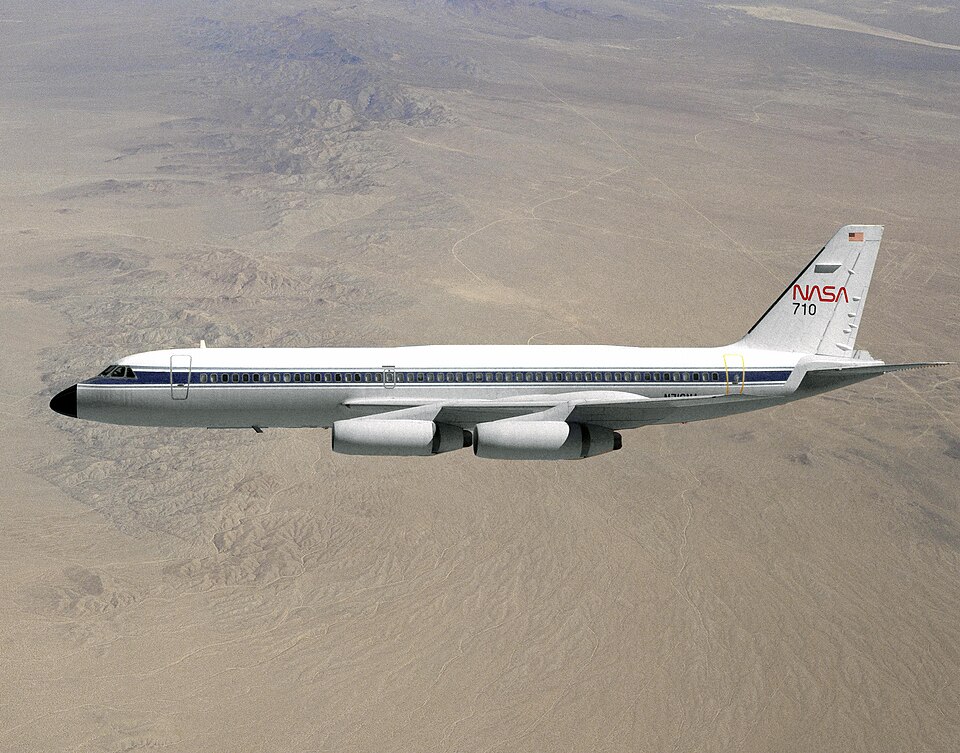
Breguet Range Equation
An aircraft's still-air cruise range predicted from cruise speed, engine specific fuel consumption, aerodynamic efficiency, and the ratio of start-of-cruise to end-of-cruise weight.

Rate of Climb from Excess Power
An aircraft's steady rate of climb computed from the power available in excess of what is needed for level flight, divided by aircraft weight.
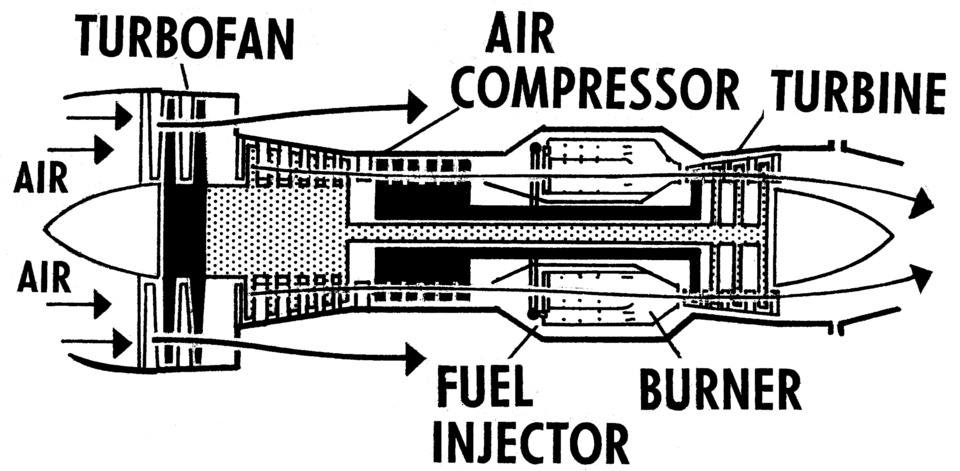
Turbojet Thrust (Simplified Momentum Form)
A turbojet engine's thrust computed from the momentum change it imparts to the air passing through it, neglecting pressure and fuel mass-flow terms.
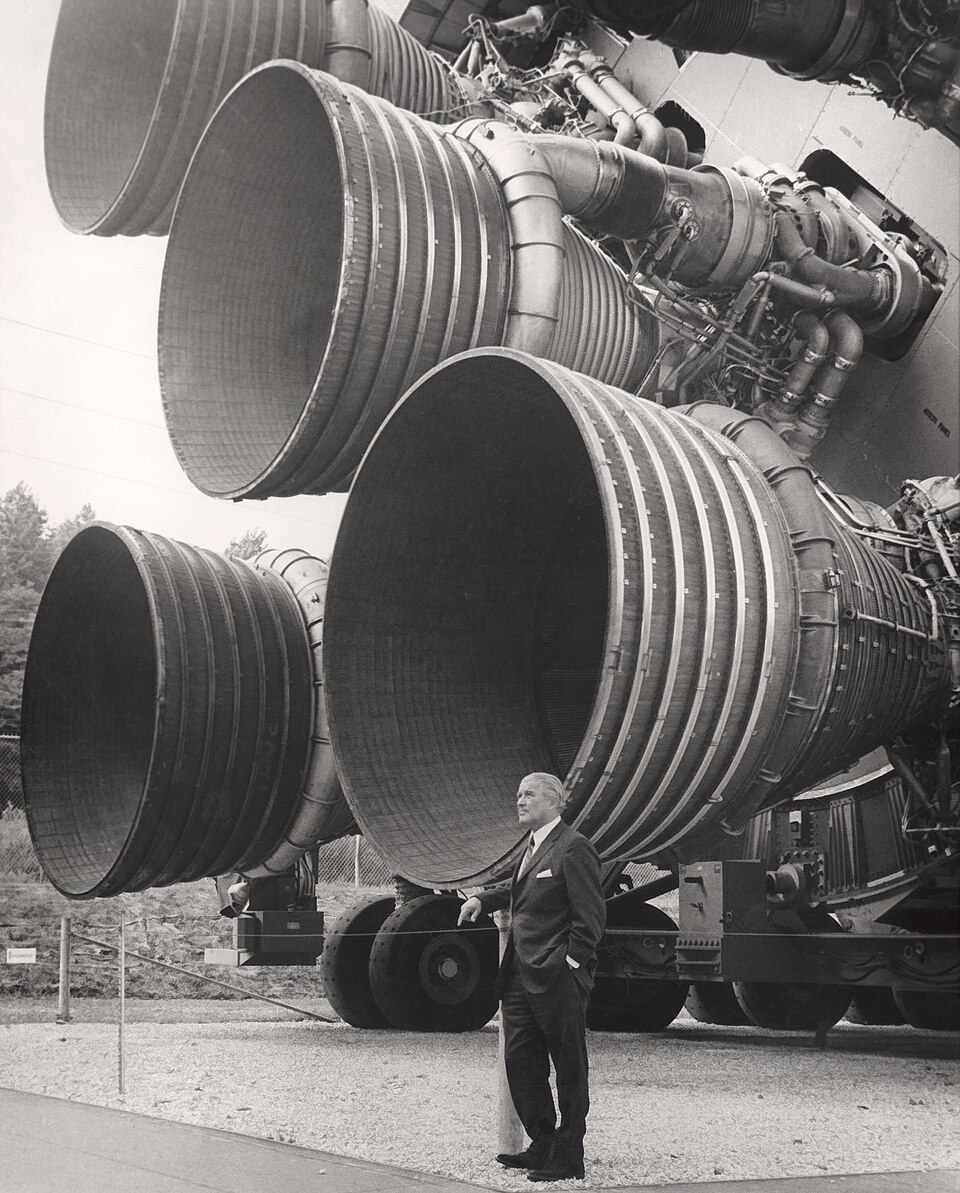
Rocket Specific Impulse
A rocket engine's specific impulse computed from thrust, propellant mass flow rate, and standard gravity — the standard measure of propulsion efficiency.

Orbital Period from Kepler's Third Law
The orbital period of a satellite in a circular orbit, computed from the orbit radius and the gravitational parameter of the central body.
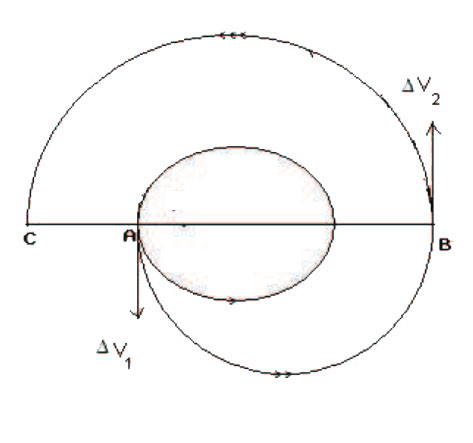
Hohmann Transfer First-Burn Delta-v
The velocity change required for the first of two burns in a Hohmann transfer, the fuel-optimal way to move a spacecraft between two circular orbits.
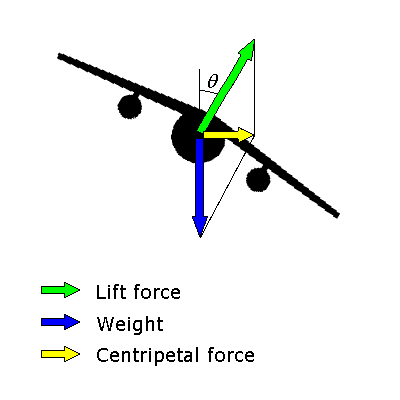
Load Factor in a Banked Turn
An aircraft's load factor (structural g-loading) during a coordinated, constant-altitude turn as a function of bank angle.
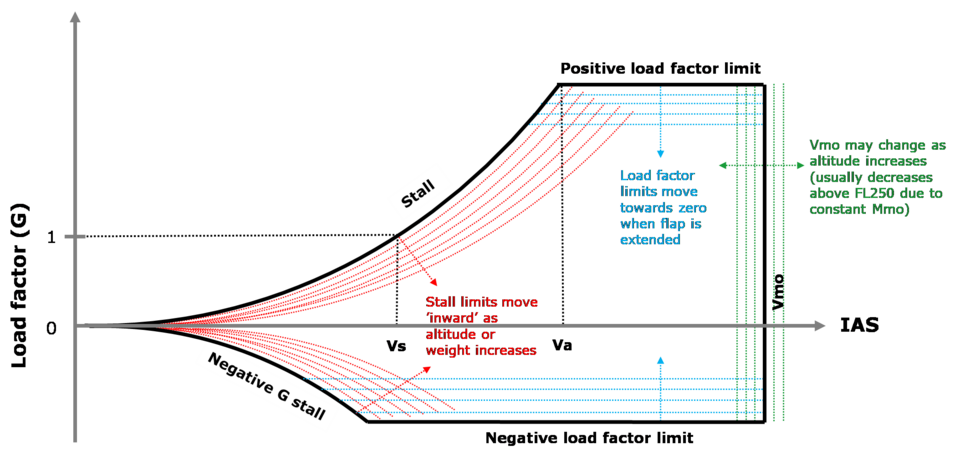
Maximum Load Factor from CLmax at Never-Exceed Speed
The maximum structural load factor an aircraft can generate aerodynamically at its never-exceed speed, using maximum lift coefficient and wing area.
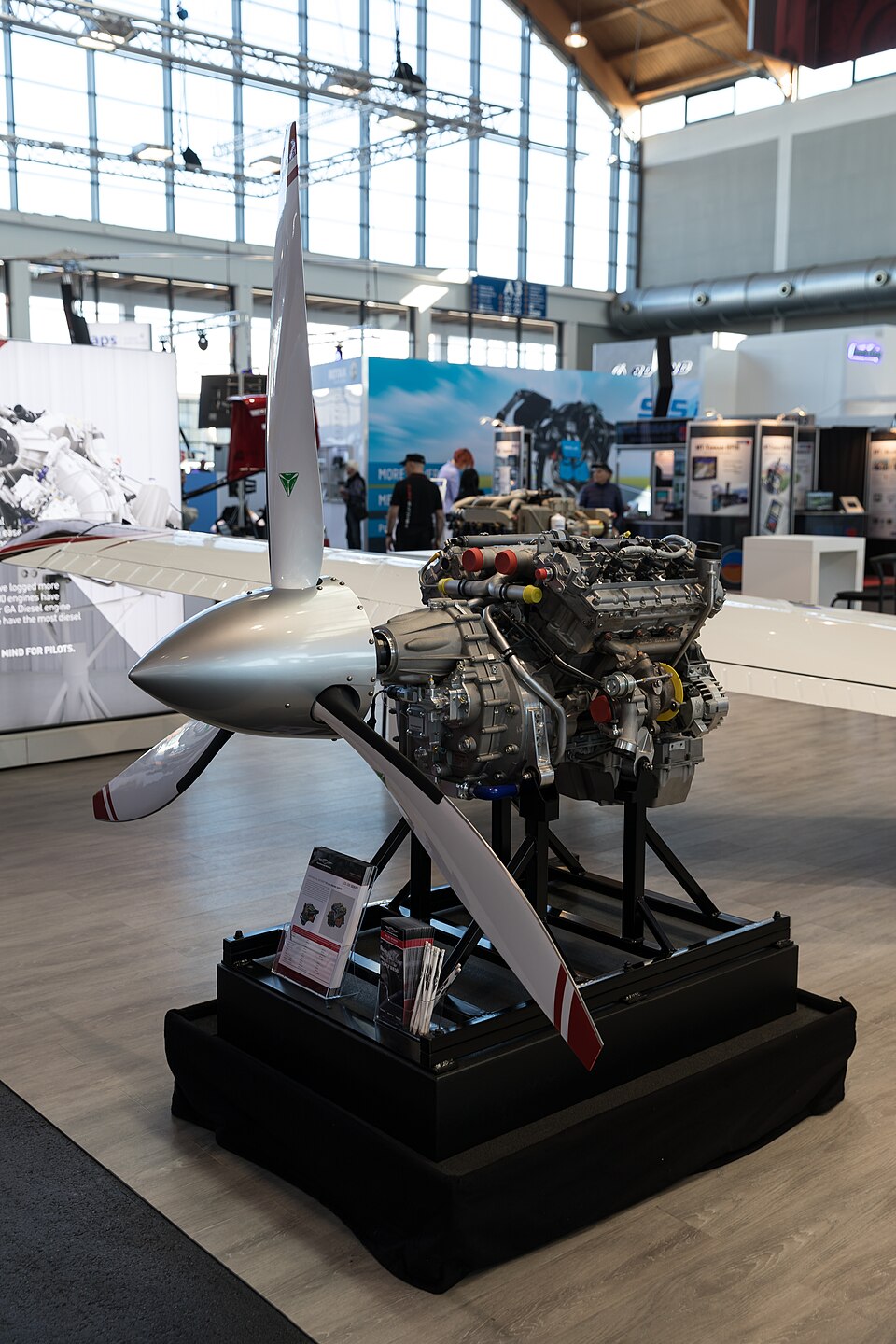
Propeller Static Thrust (Actuator Disk Theory)
The static (zero-forward-speed) thrust of a propeller predicted from actuator disk (momentum) theory, given disk area and induced velocity.
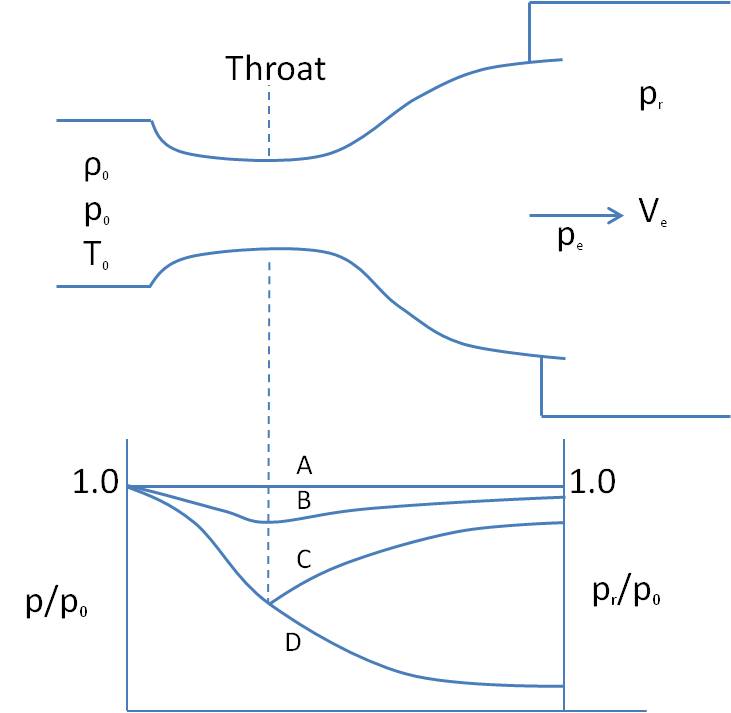
Critical Pressure Ratio at Sonic Flow (Compressible Flow Constant)
The stagnation-to-static pressure ratio at which flow through a converging nozzle first reaches sonic velocity (Mach 1) at the throat.