Engineering calculation examples
Free, unit-aware calculation worksheets across structural, mechanical, electrical and more. Open any example into your own workspace to edit and reuse. New to Calculeaf? Start with your first worksheet or the examples guide.
Often opened: beam deflection formulas, bolt stiffness, pressure vessel wall thickness, ASME B31.8 pipe wall thickness, pressure drop in a pipe, weight from mass.
515 examples
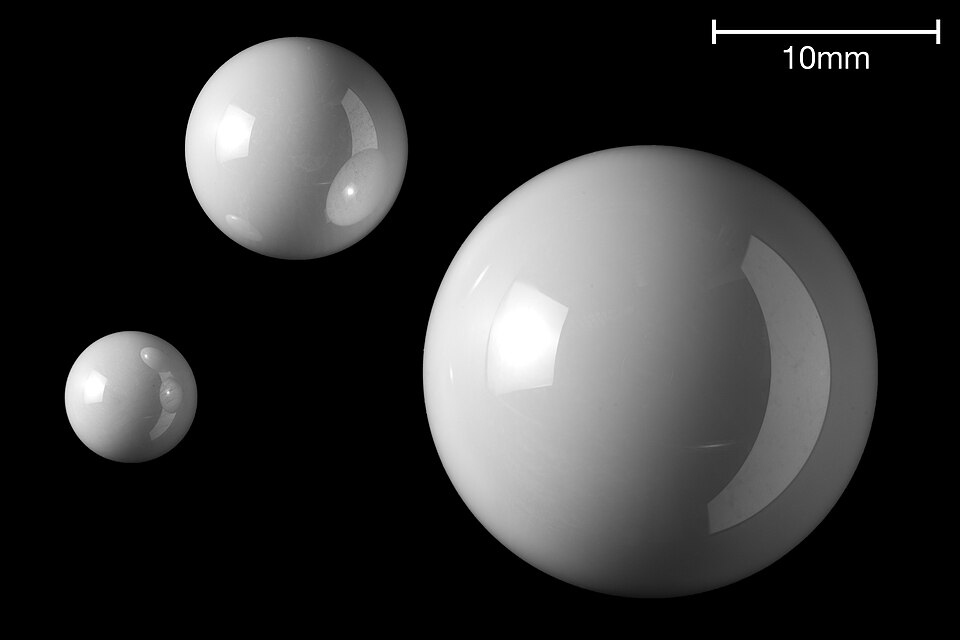
Rolling Bearing Basic Life (L10)
Basic rating life of a ball bearing from its dynamic load rating and the applied equivalent load.

Thermal Expansion of a Component
Change in length of a component due to a temperature change via its coefficient of thermal expansion.
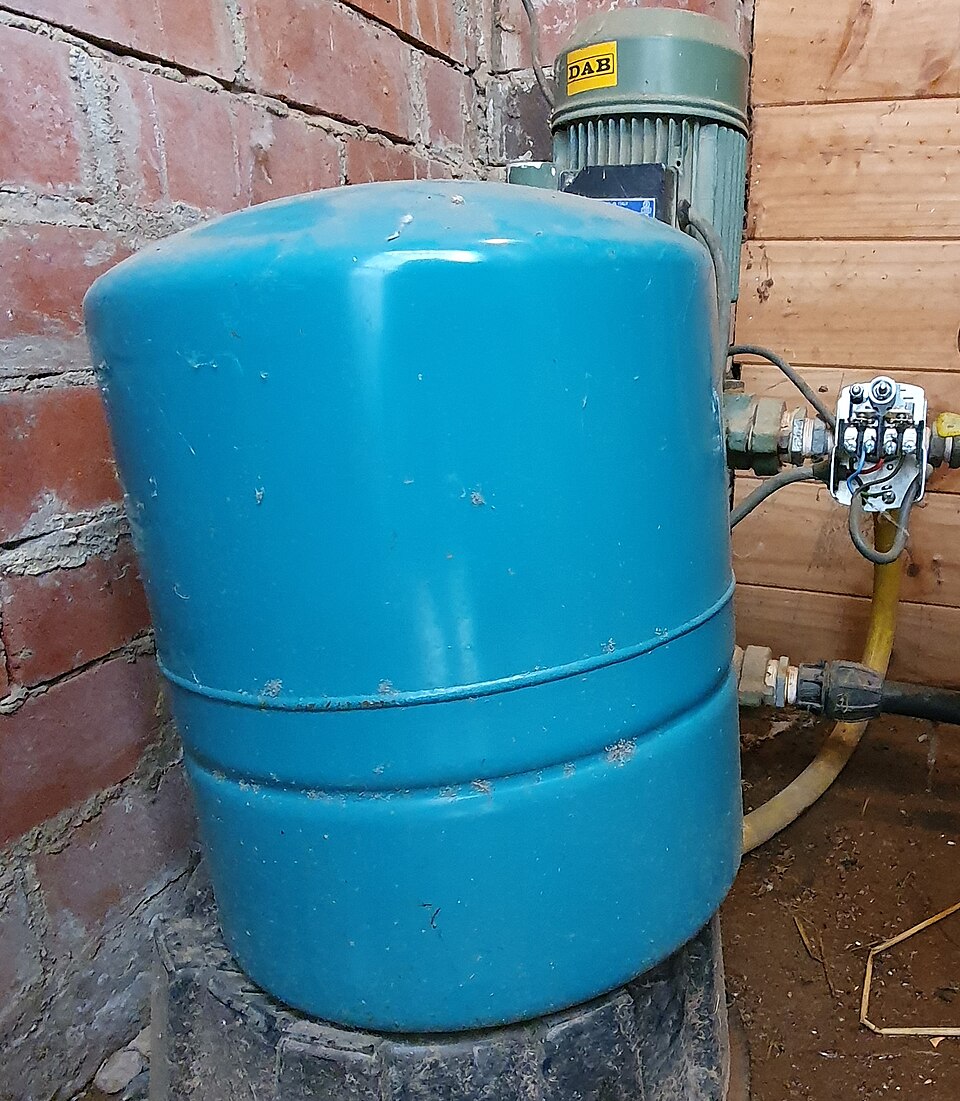
Hoop Stress in a Thin-Walled Pressure Vessel
Circumferential (hoop) stress in the wall of a thin cylindrical pressure vessel.
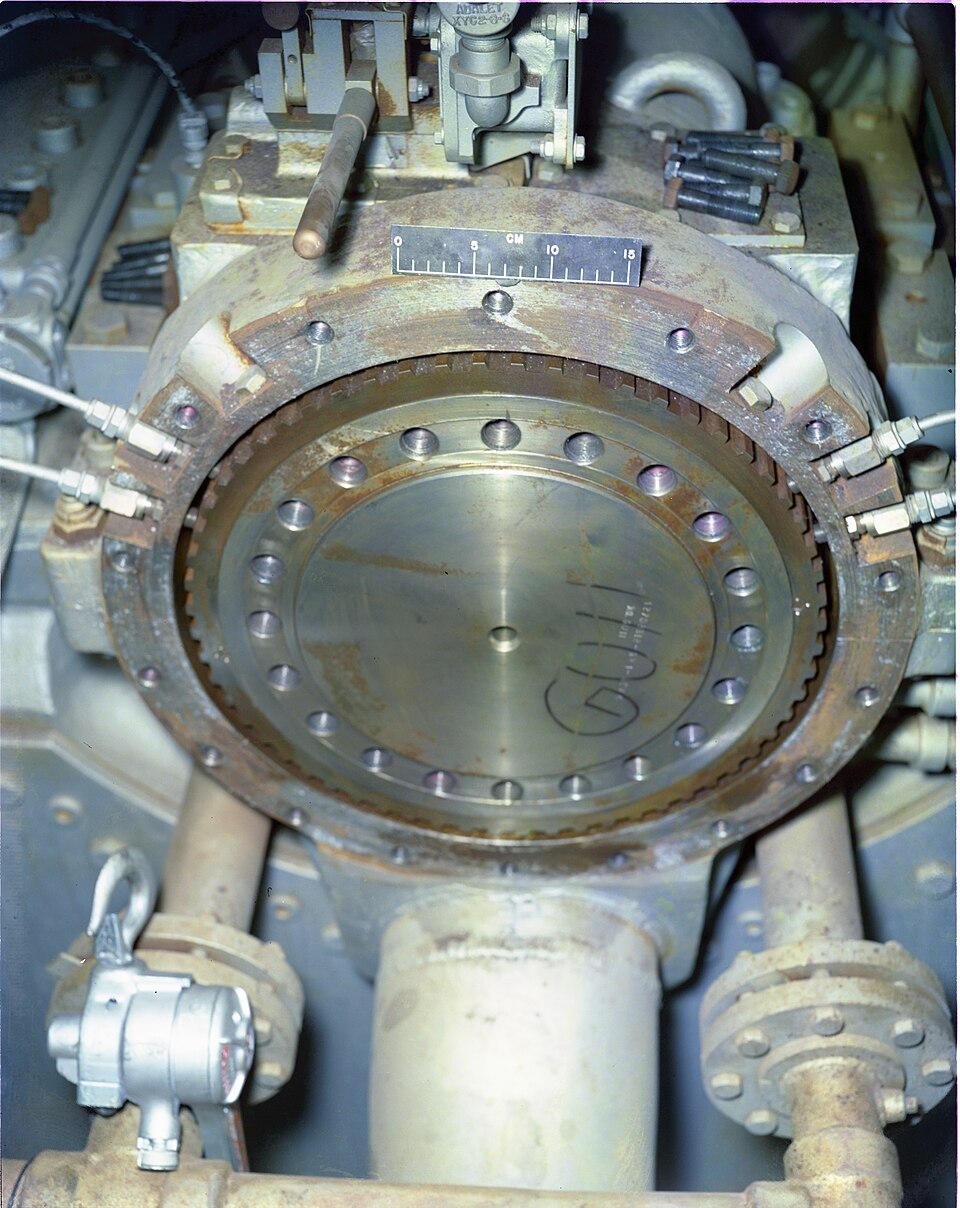
Shaft Key Shear Stress
Shear stress in a parallel shaft key transmitting torque between a shaft and hub.

Flywheel Kinetic Energy
Rotational kinetic energy stored in a flywheel from its moment of inertia and speed.
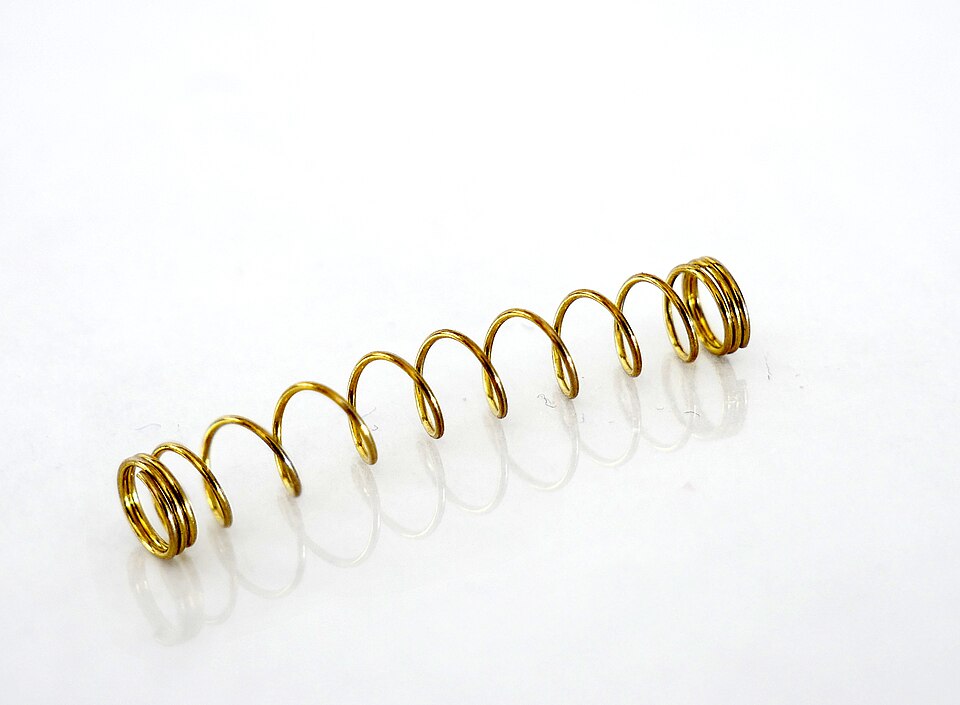
Energy Stored in a Spring
Elastic potential energy stored in a linear spring at a given deflection.
Factor of Safety on Yield
Factor of safety of a component comparing material yield strength to the applied working stress.
Volumetric Flow Rate from Velocity
Volumetric flow rate in a circular pipe from the mean velocity and pipe diameter.
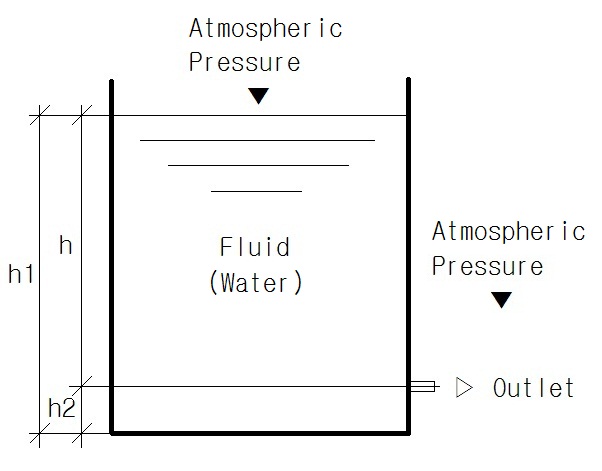
Torricelli Discharge Velocity
Ideal efflux velocity of fluid leaving an opening under a head of liquid.
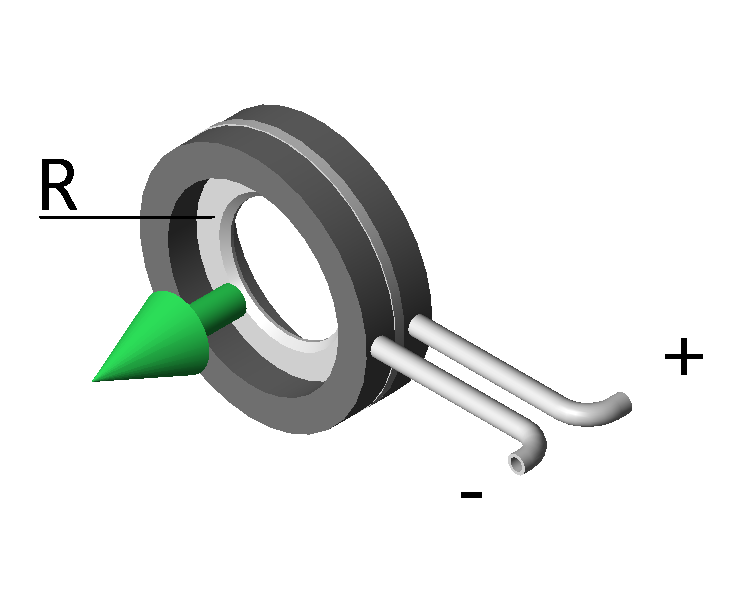
Orifice Flow Rate
Discharge through a sharp-edged orifice using a discharge coefficient.
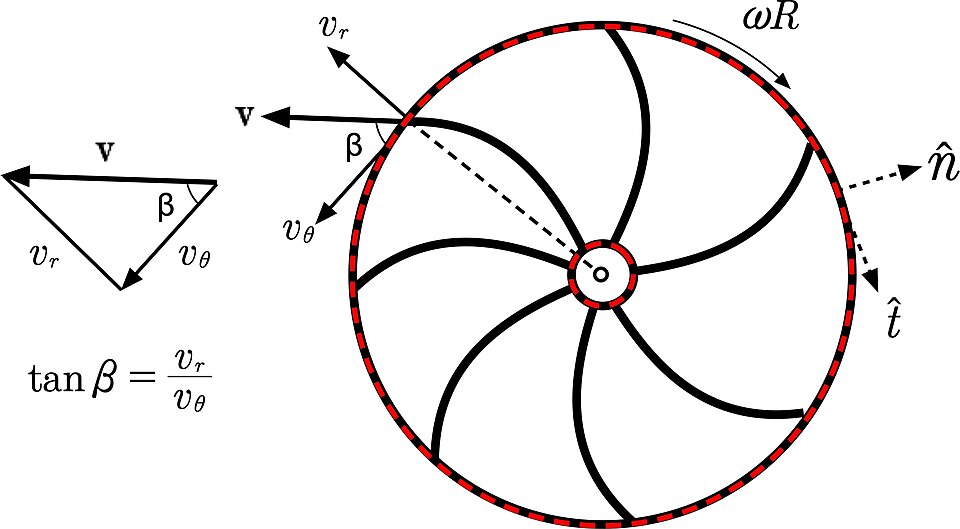
Pump Hydraulic Power
Hydraulic power a pump must deliver to lift a flow rate through a given head.

Pipe Wall Thickness (Barlow’s Formula)
Minimum pipe wall thickness to contain internal pressure using Barlow’s formula.

Buoyancy Force (Archimedes)
Upward buoyant force on a submerged body from the weight of fluid it displaces.
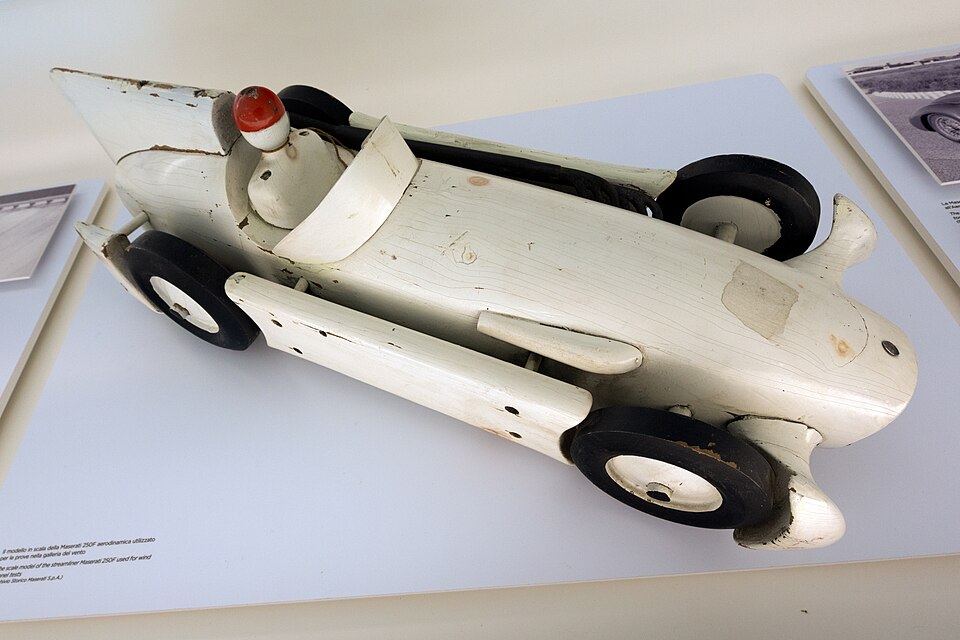
Aerodynamic Drag Force
Drag force on a body moving through a fluid from its drag coefficient, speed and frontal area.

Terminal Velocity of a Falling Body
Steady fall speed of a body when aerodynamic drag balances its weight.
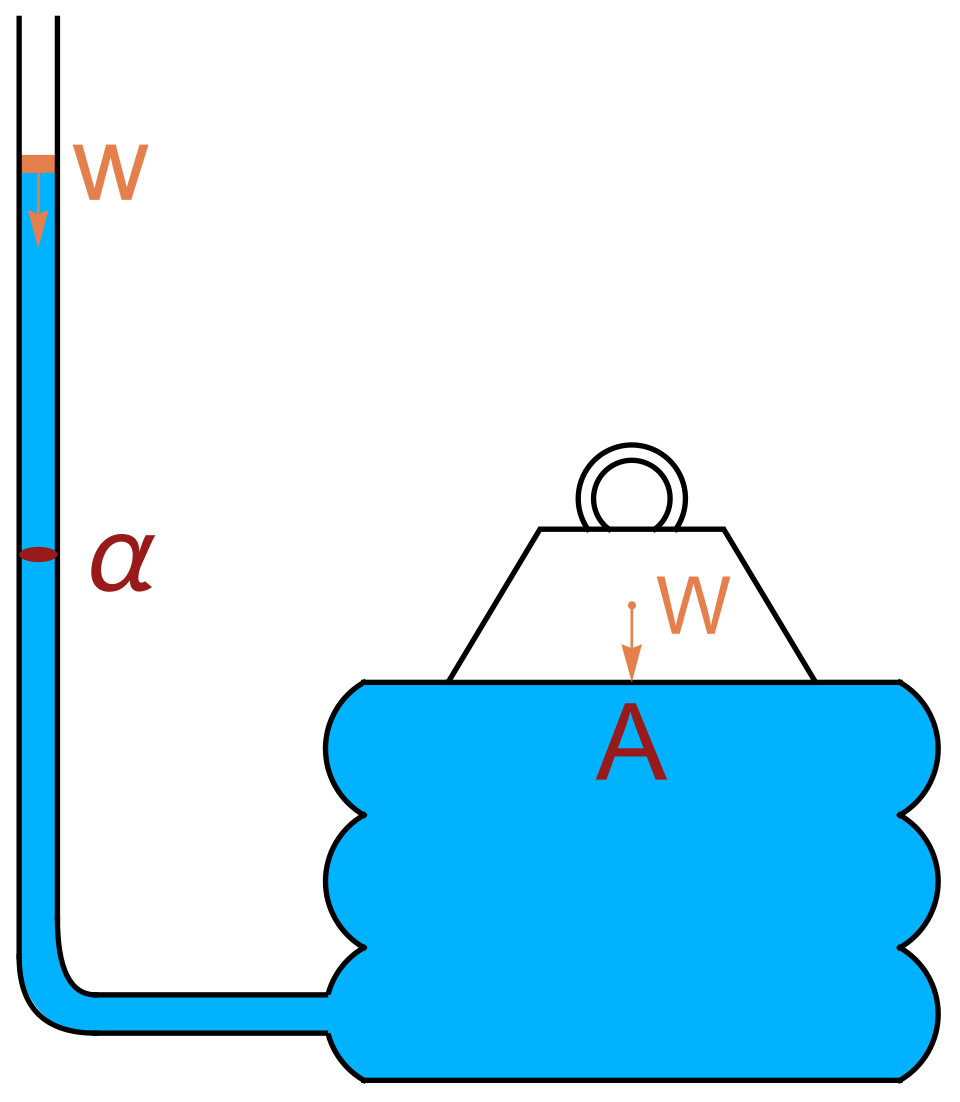
Hydrostatic Pressure at Depth
Gauge pressure at a given depth in a static fluid.
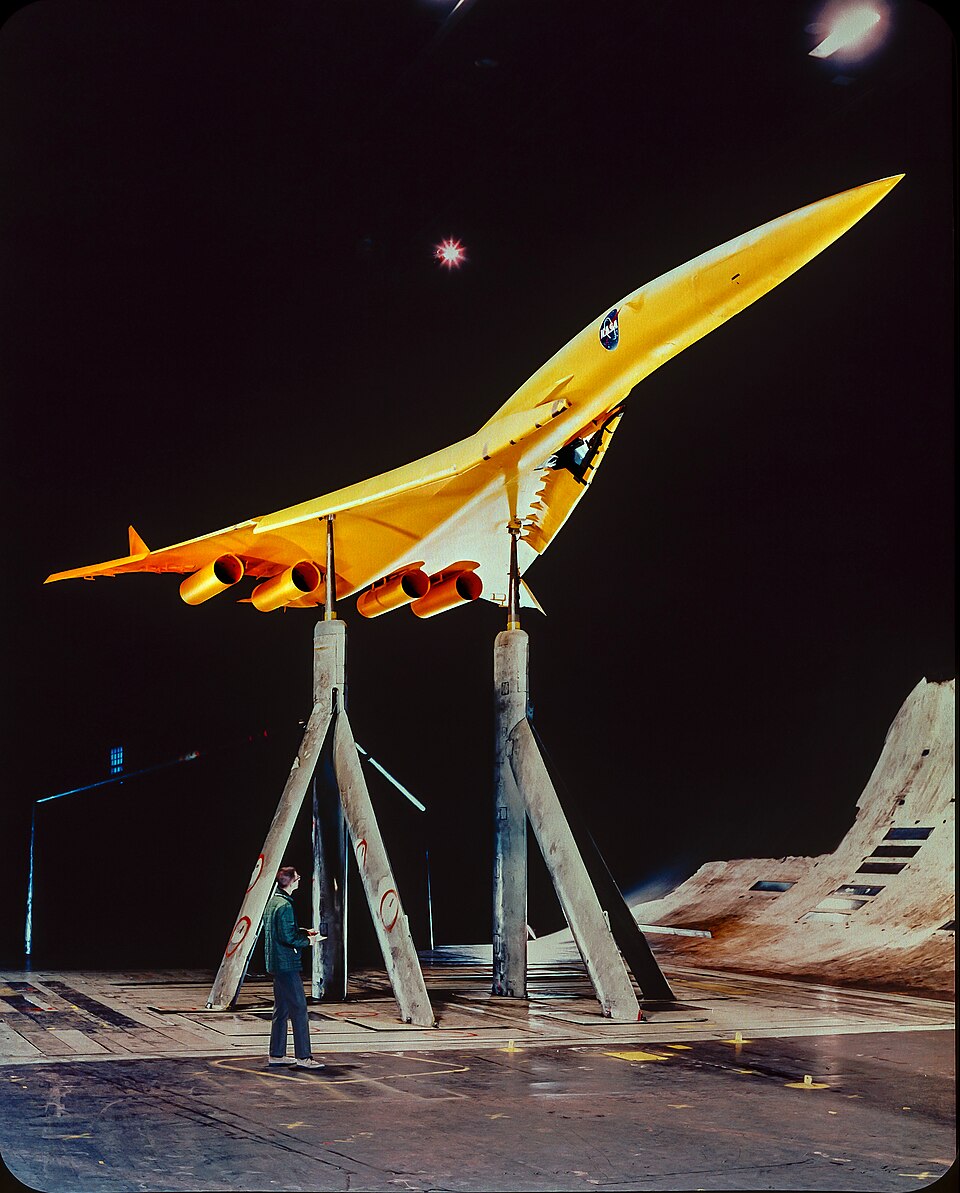
Mach Number
Mach number of a flow from its speed and the local speed of sound.
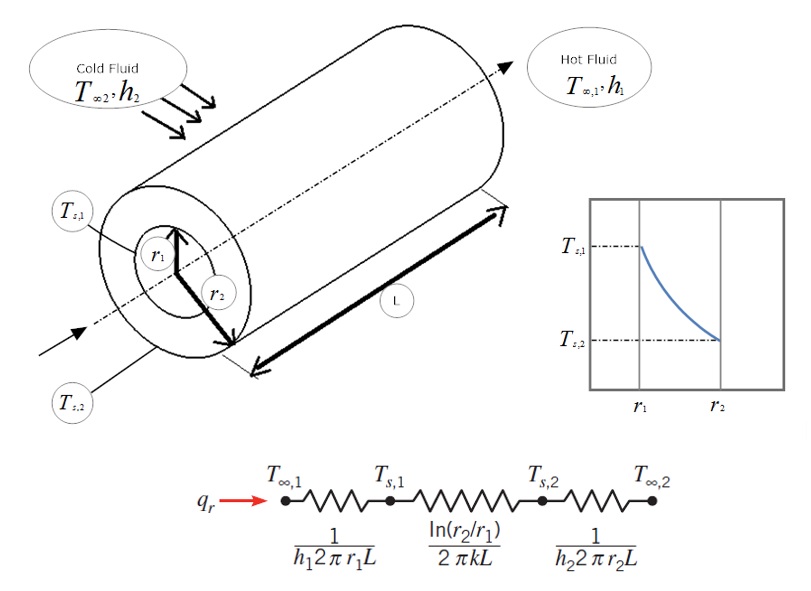
Convective Heat Transfer Rate
Heat transfer rate from a surface to a moving fluid using Newton’s law of cooling.
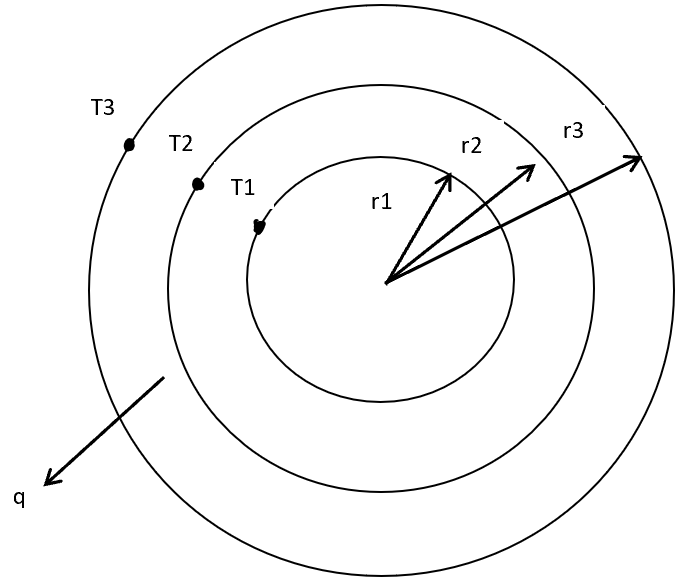
Thermal Resistance of a Wall
Conductive thermal resistance of a plane wall layer, the building block of resistance networks.
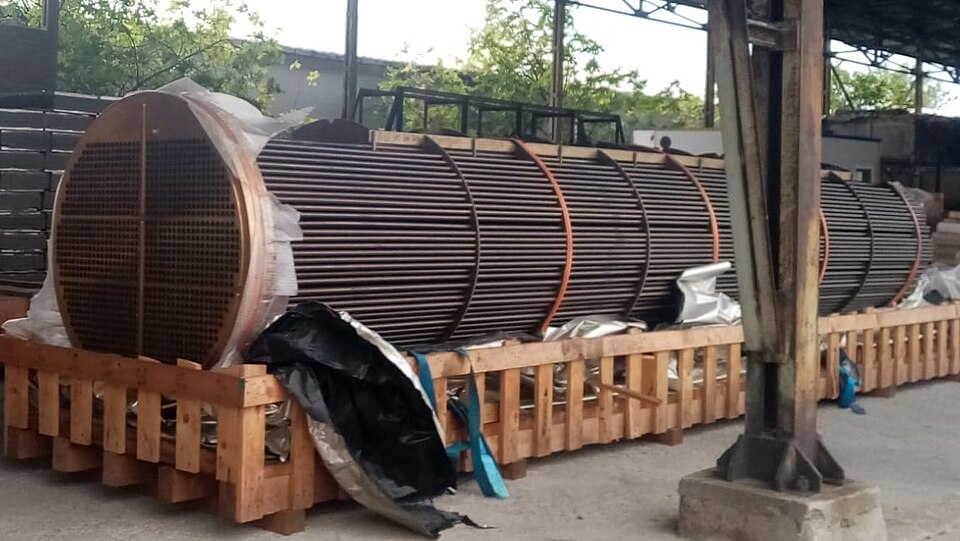
Log Mean Temperature Difference (LMTD)
Effective temperature difference driving a heat exchanger from its terminal temperature differences.
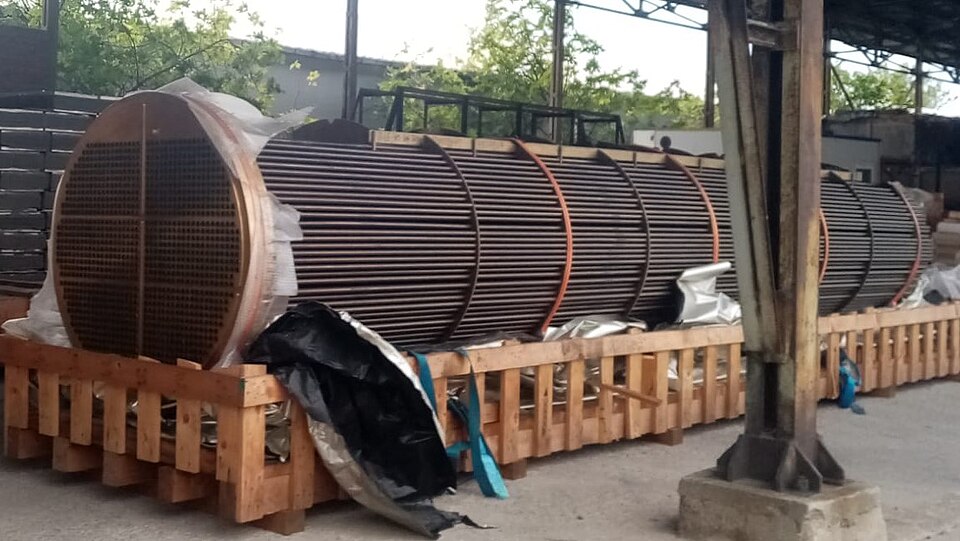
Heat Exchanger Duty (U·A·LMTD)
Heat transfer rate of an exchanger from its overall coefficient, area and log-mean temperature difference.
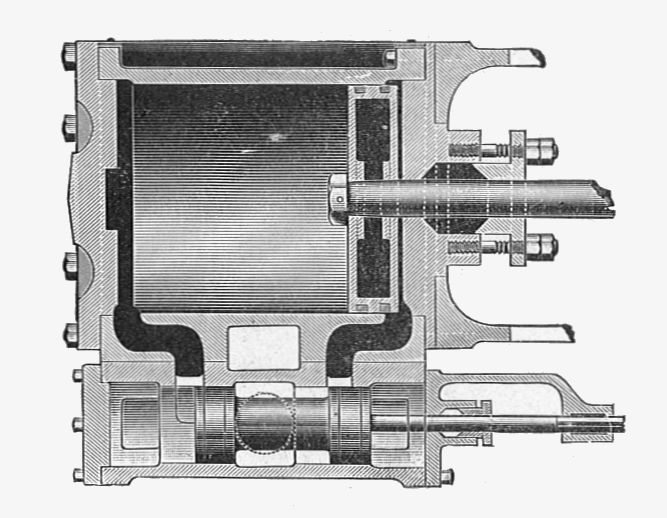
Ideal Gas Law (Pressure)
Pressure of an ideal gas from amount, temperature and volume.
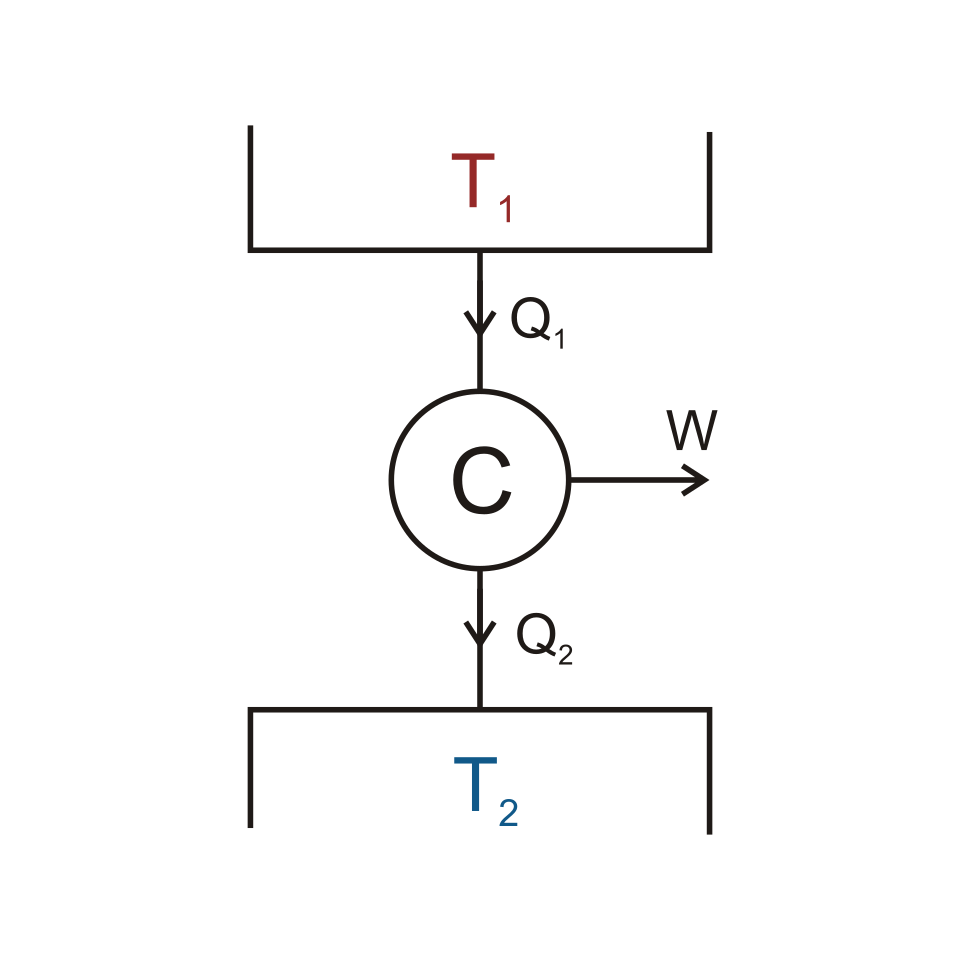
Carnot Efficiency
Maximum possible thermal efficiency of a heat engine operating between two temperatures.
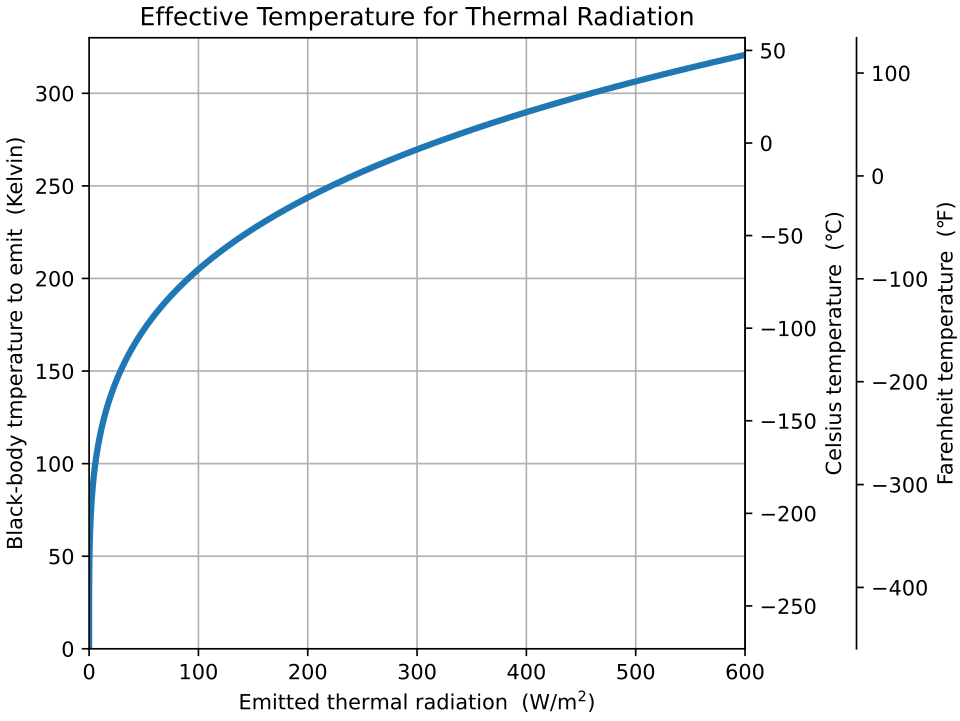
Radiative Heat Transfer
Net or emitted thermal radiation from a surface using the Stefan–Boltzmann law.