Engineering calculation examples
Free, unit-aware calculation worksheets across structural, mechanical, electrical and more. Open any example into your own workspace to edit and reuse. New to Calculeaf? Start with your first worksheet or the examples guide.
Often opened: beam deflection formulas, bolt stiffness, pressure vessel wall thickness, ASME B31.8 pipe wall thickness, pressure drop in a pipe, weight from mass.
515 examples
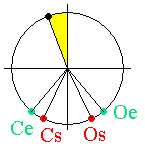
Diesel Cycle Thermal Efficiency
The ideal air-standard thermal efficiency of a Diesel cycle, accounting for its constant-pressure combustion phase via the cutoff ratio.
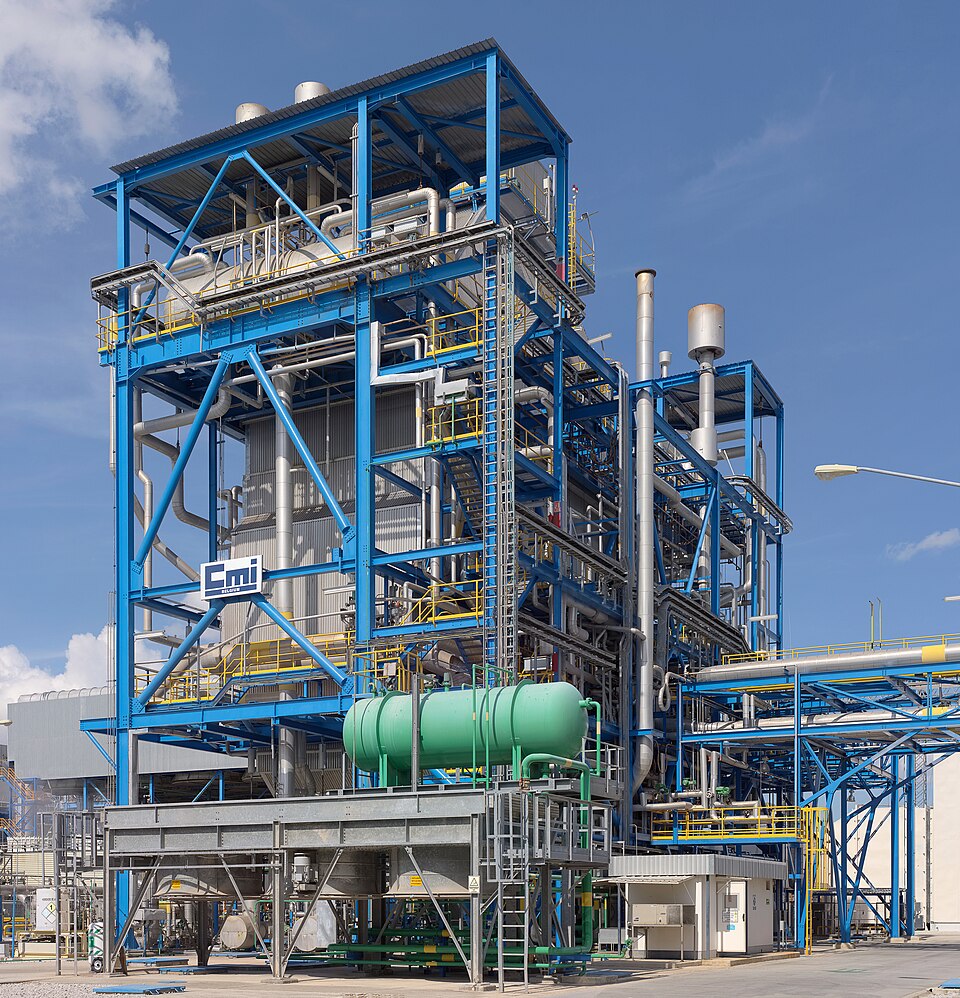
Combined-Cycle Plant Overall Efficiency
The overall thermal efficiency of a combined-cycle power plant that recovers gas turbine exhaust heat in a bottoming steam cycle.
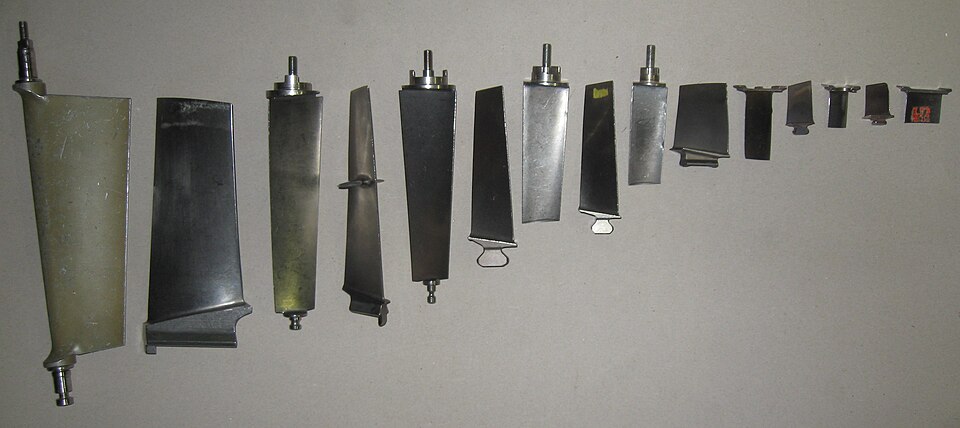
Isentropic Compressor Specific Work
The ideal (isentropic) specific work required to compress a gas across a given pressure ratio, from its inlet temperature and specific heat.
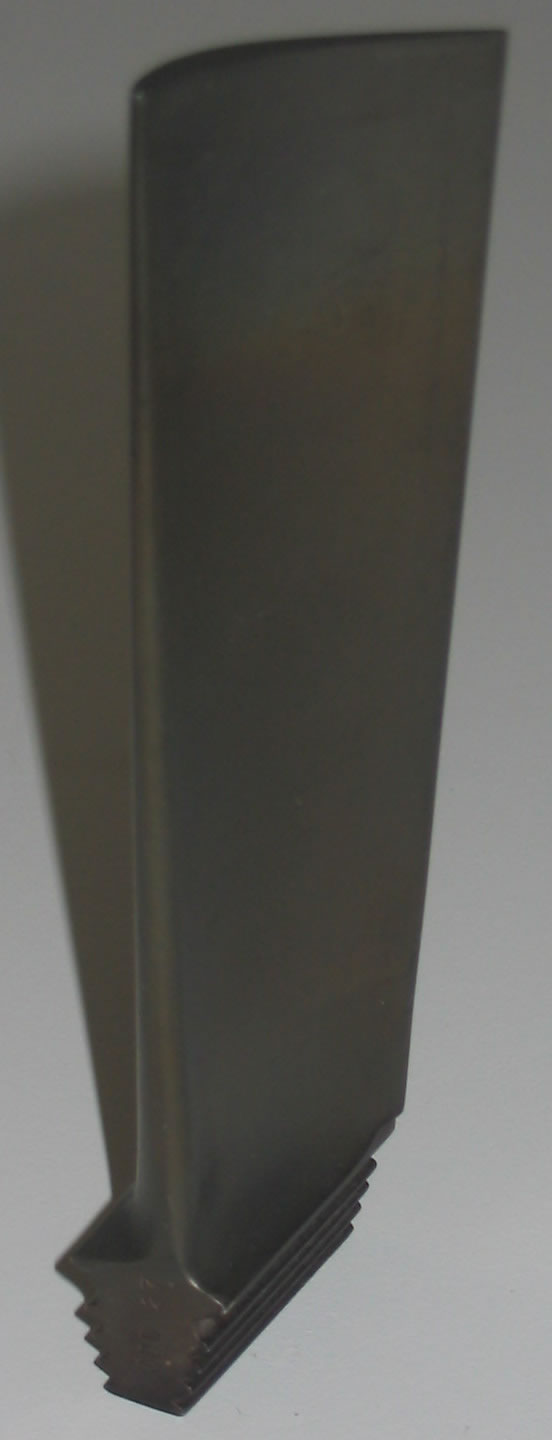
Isentropic Turbine Specific Work
The ideal (isentropic) specific work extracted by a turbine expanding hot gas across a given pressure ratio.
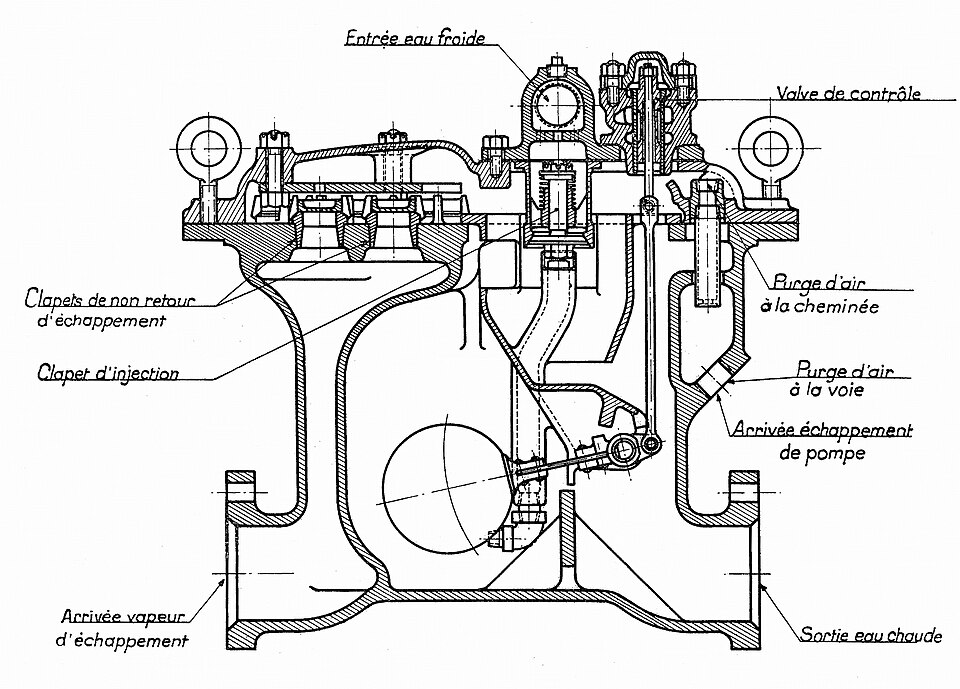
Feedwater Heater Temperature Rise
The temperature rise of boiler feedwater as it absorbs a known heat duty, and the resulting outlet temperature.

Combined Heat & Power (CHP) Overall Efficiency
The overall fuel-utilization efficiency of a combined heat and power plant, crediting both electricity generated and useful heat recovered.
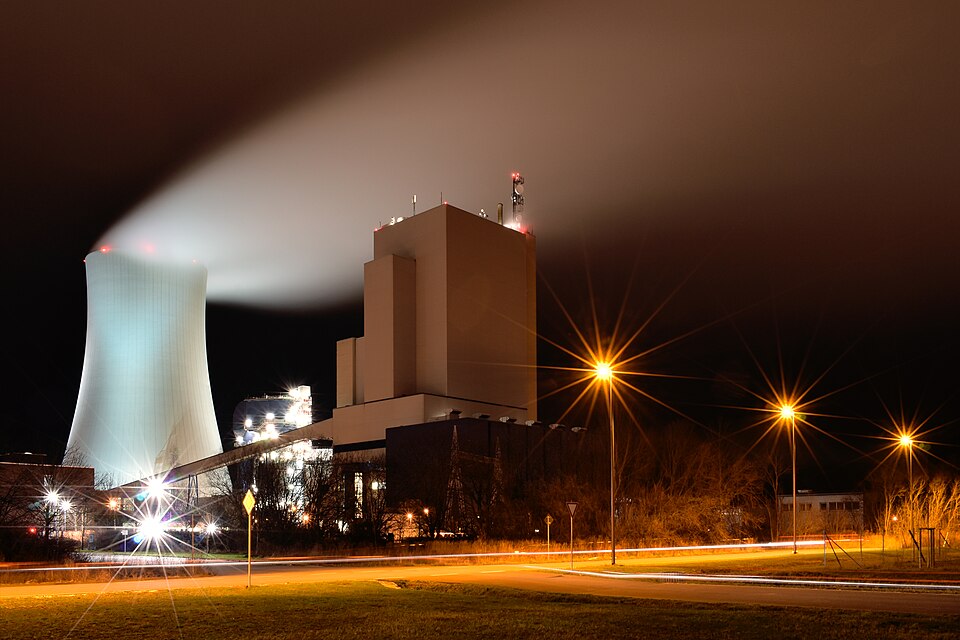
Exergy (Availability) of a Heat Stream
The maximum theoretical work obtainable from a heat stream at a given temperature relative to the surrounding environment.
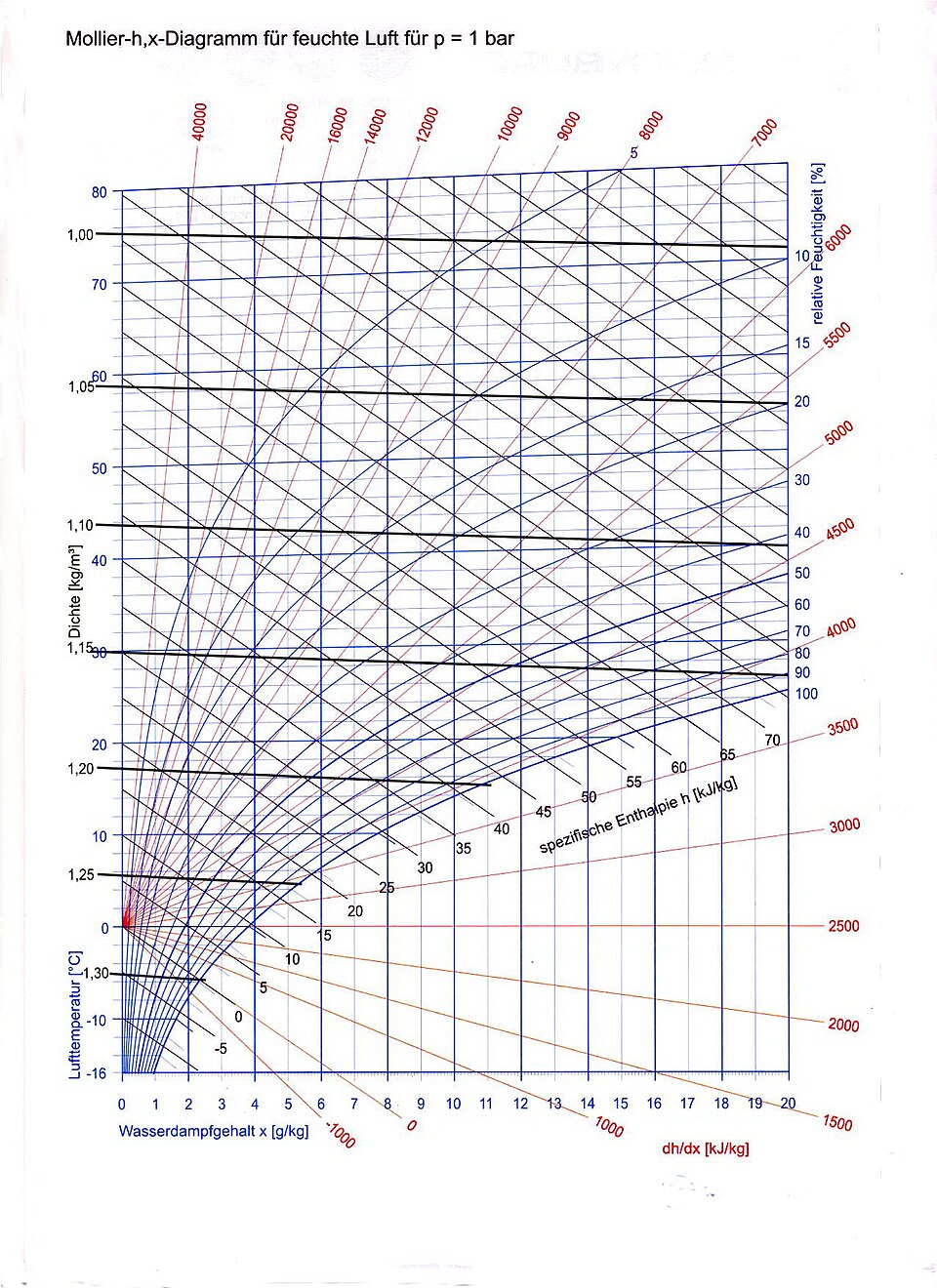
Psychrometric Humidity Ratio
The humidity ratio (mass of water vapor per mass of dry air) of moist air from its vapor pressure and total atmospheric pressure.
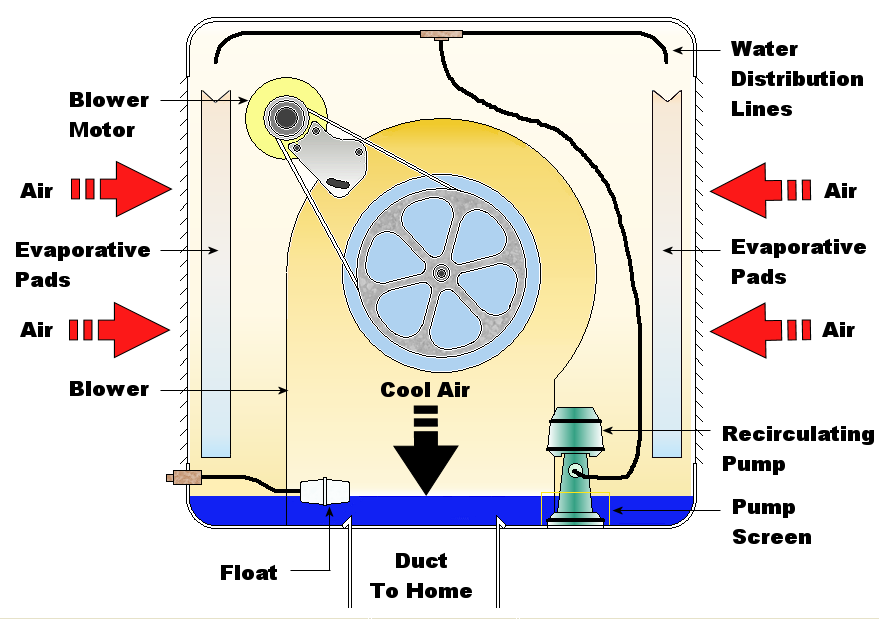
Evaporative Cooler Outlet Temperature
The dry-bulb temperature of air leaving a direct evaporative cooler, from the inlet dry- and wet-bulb temperatures and cooler effectiveness.
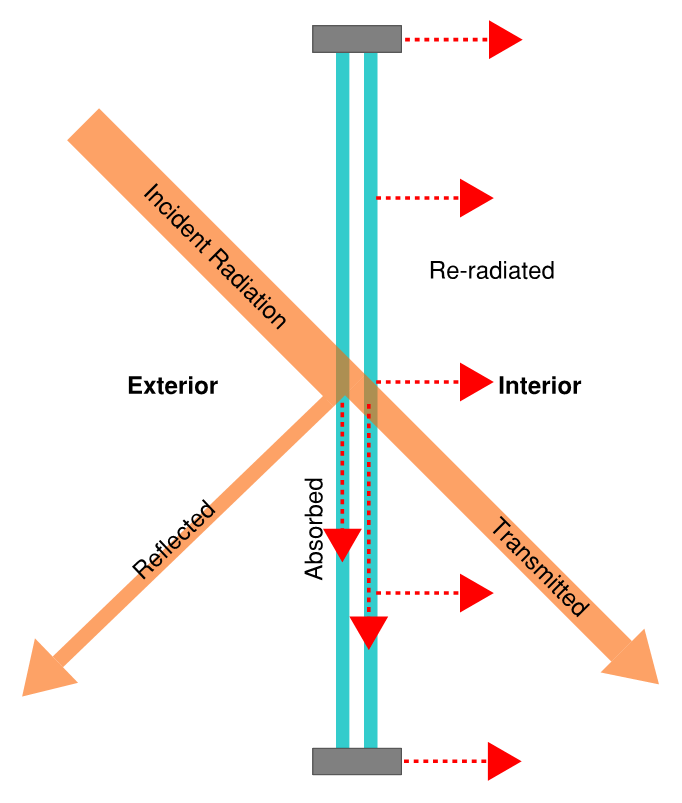
Cooling Load from Window Solar Gain
The instantaneous cooling load a building must offset from solar radiation transmitted through a window.
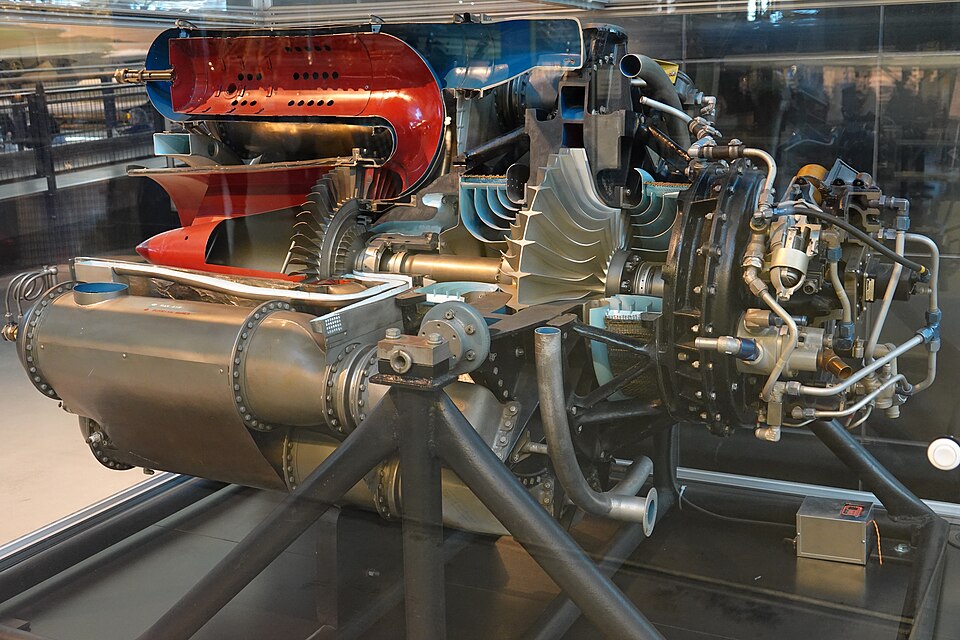
Stoichiometric Air-Fuel Ratio (Octane Combustion)
The mass ratio of air to fuel needed for complete, stoichiometric combustion of octane, derived from the balanced combustion reaction.
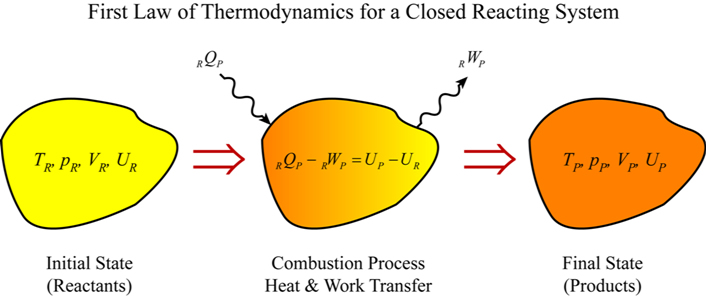
Adiabatic Flame Temperature Rise Estimate
A simplified estimate of the temperature rise from adiabatic combustion, from the fuel's heating value, air-fuel ratio, and combustion product specific heat.
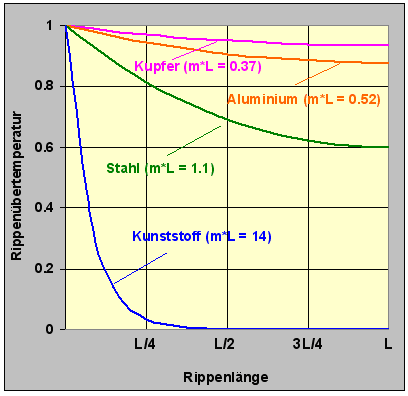
Straight Rectangular Fin Heat Transfer Rate
The heat transfer rate from a straight rectangular fin, from fin geometry, material conductivity, and the convective heat transfer coefficient.
Radiation View Factor Reciprocity Check
A check that a pair of radiation view factors between two surfaces satisfies the reciprocity relation, and back-calculation of the unknown factor.
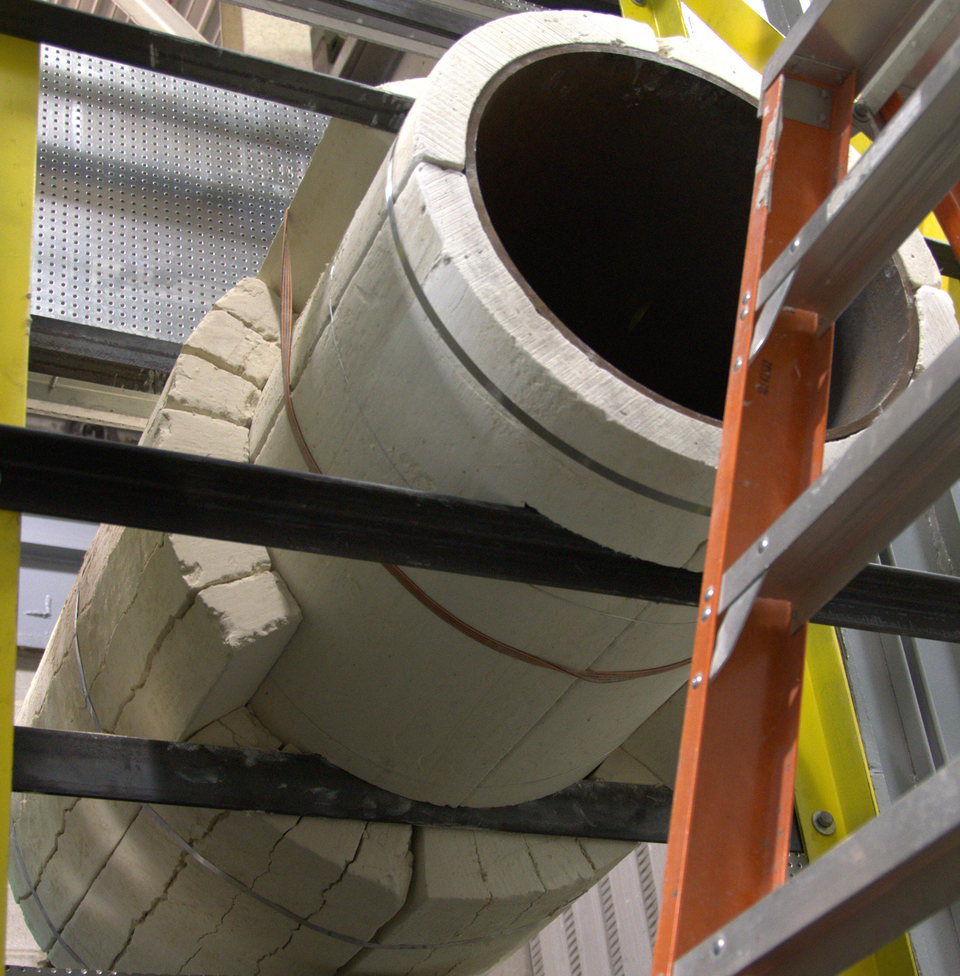
Insulation Thickness for a Target Heat Loss
The insulation thickness needed to hold a wall's conductive heat loss at or below a target value, from rearranged Fourier's law.
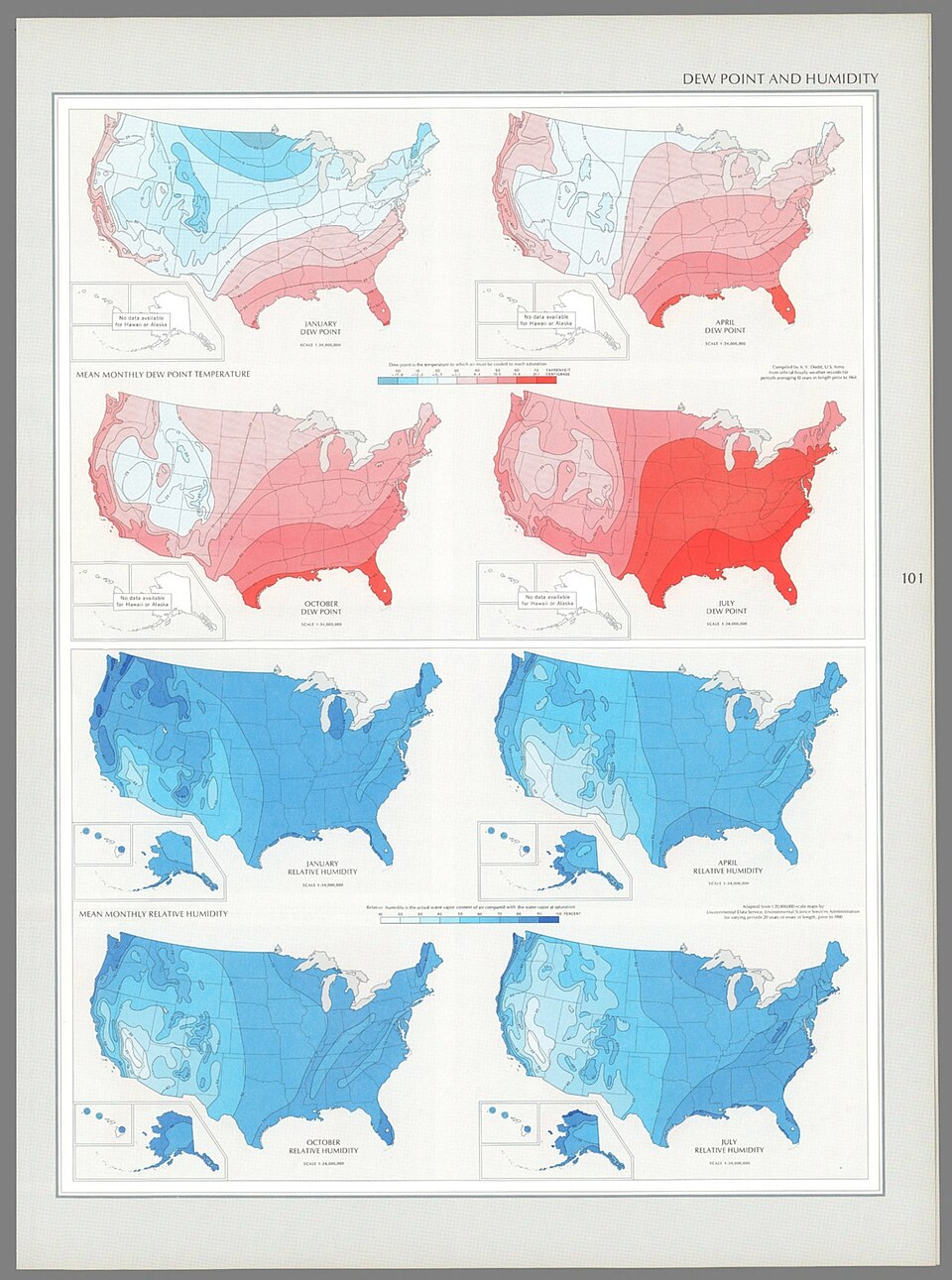
Dew Point Temperature Estimate (Magnus Formula)
An estimate of the dew point temperature of moist air from its dry-bulb temperature and relative humidity using the empirical Magnus formula.

Room Air Change Rate (ACH)
The number of times per hour a room's air volume is fully replaced by ventilation airflow, a standard indoor air quality metric.
Open Channel Discharge (Manning Conveyance Form)
The discharge through an open channel from its lumped conveyance factor and bed slope, using the conveyance form of Manning's equation.
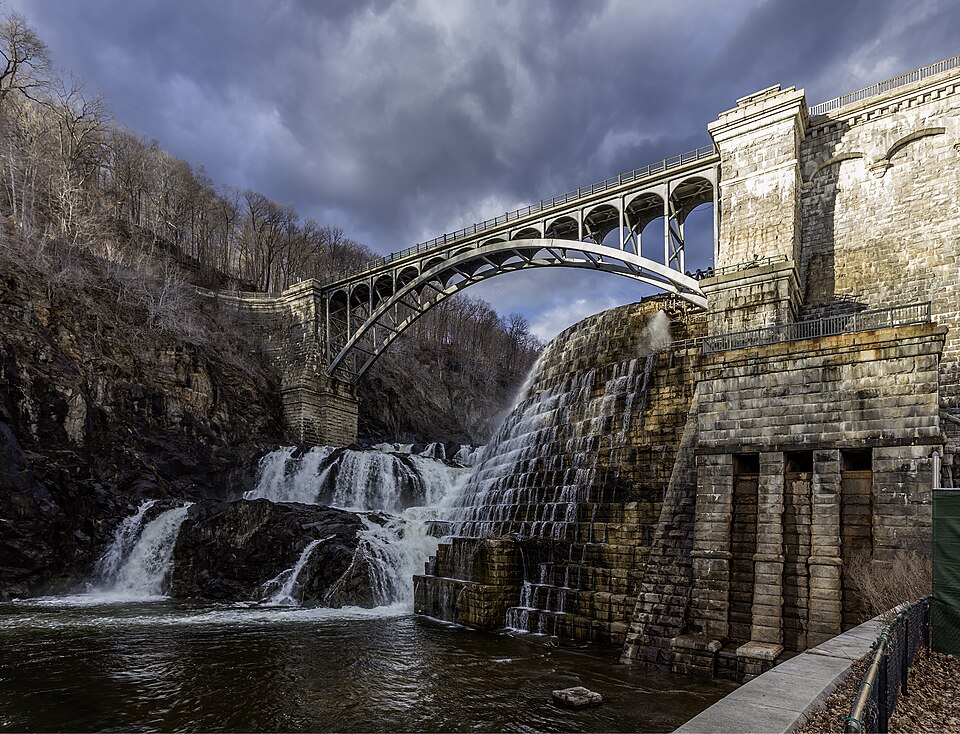
Hydraulic Jump Sequent Depth Ratio
The downstream (sequent) depth that follows a hydraulic jump in an open channel, from the upstream Froude number.

Critical Depth in a Rectangular Channel
The critical flow depth in a rectangular open channel, the depth at which specific energy is minimized for a given discharge.
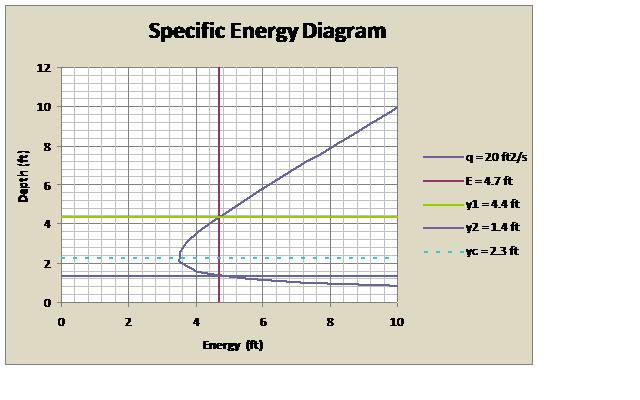
Specific Energy in an Open Channel
The specific energy of open-channel flow at a given depth and unit discharge, combining potential and kinetic energy relative to the channel bed.
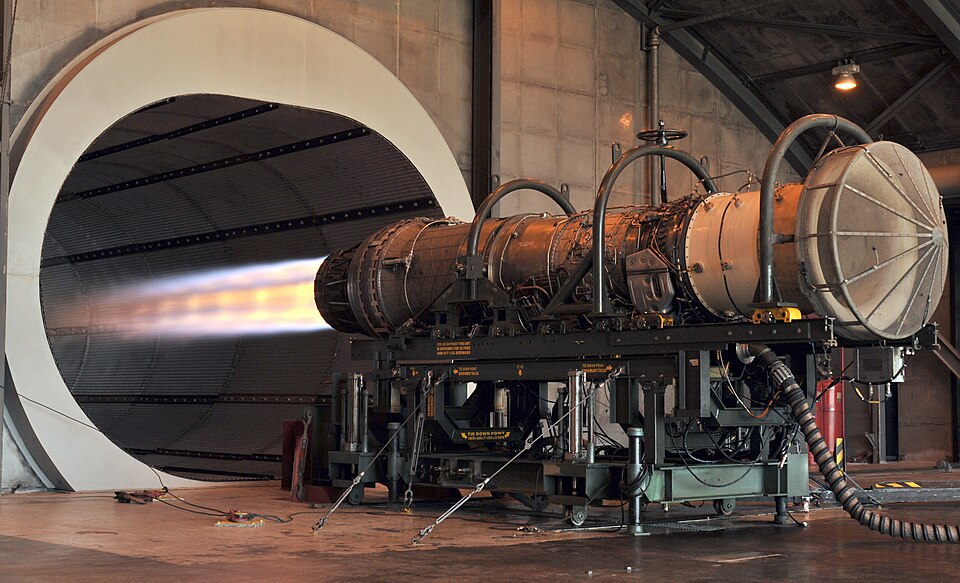
Choked Compressible Flow Rate Through an Orifice
The maximum (choked) mass flow rate of a compressible gas discharging through an orifice from a high-pressure reservoir.
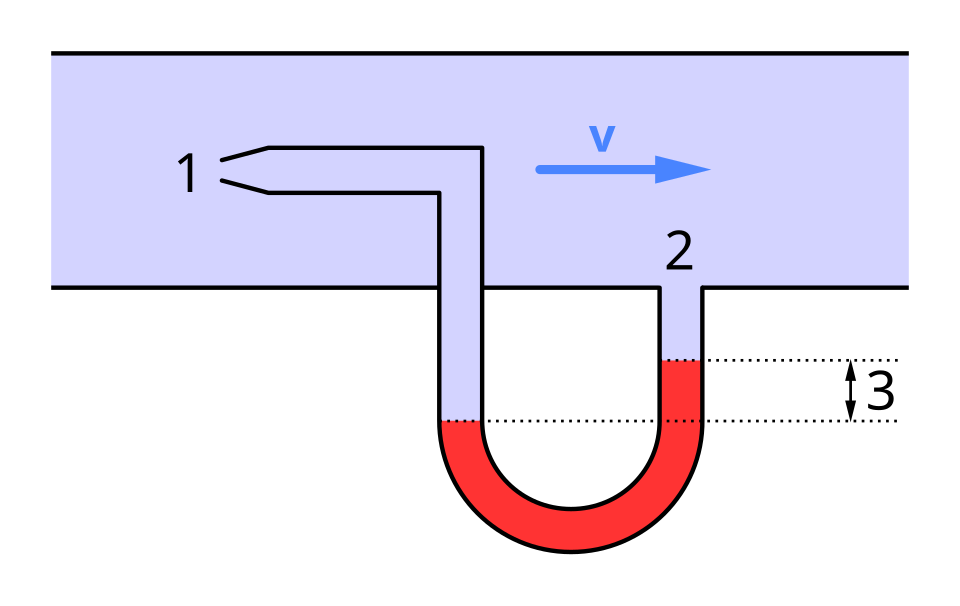
Isentropic Stagnation Pressure from Mach Number
The stagnation (total) pressure of a compressible flow at a given static pressure and Mach number, from the isentropic flow relations.

Water Hammer Pressure Surge (Joukowsky Equation)
The pressure surge generated by a sudden change in flow velocity in a pipeline, from the Joukowsky water hammer equation.