Engineering calculation examples
Free, unit-aware calculation worksheets across structural, mechanical, electrical and more. Open any example into your own workspace to edit and reuse. New to Calculeaf? Start with your first worksheet or the examples guide.
Often opened: beam deflection formulas, bolt stiffness, pressure vessel wall thickness, ASME B31.8 pipe wall thickness, pressure drop in a pipe, weight from mass.
515 examples
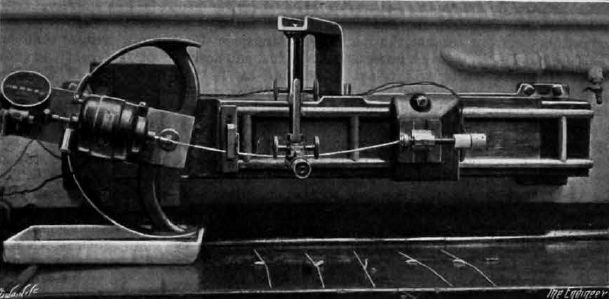
Fatigue Life from Basquin's Law (S-N Curve)
The number of cycles to fatigue failure predicted from an applied stress amplitude using the power-law form of the material's S-N curve.
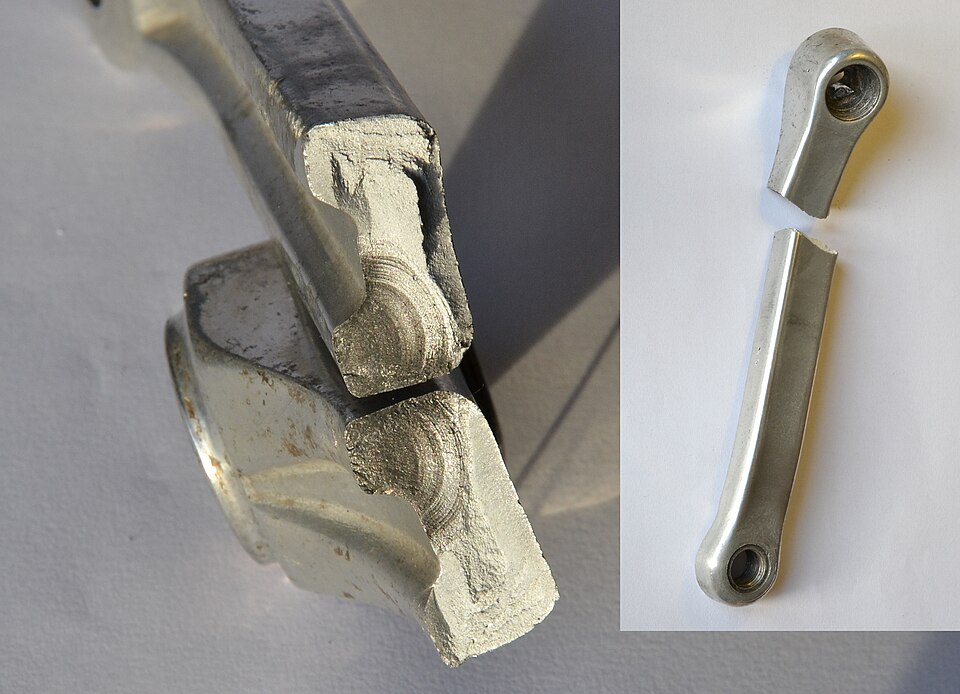
Miner's Rule Cumulative Fatigue Damage
The cumulative fatigue damage fraction from two distinct cyclic load levels, using the linear damage summation of Miner's rule.
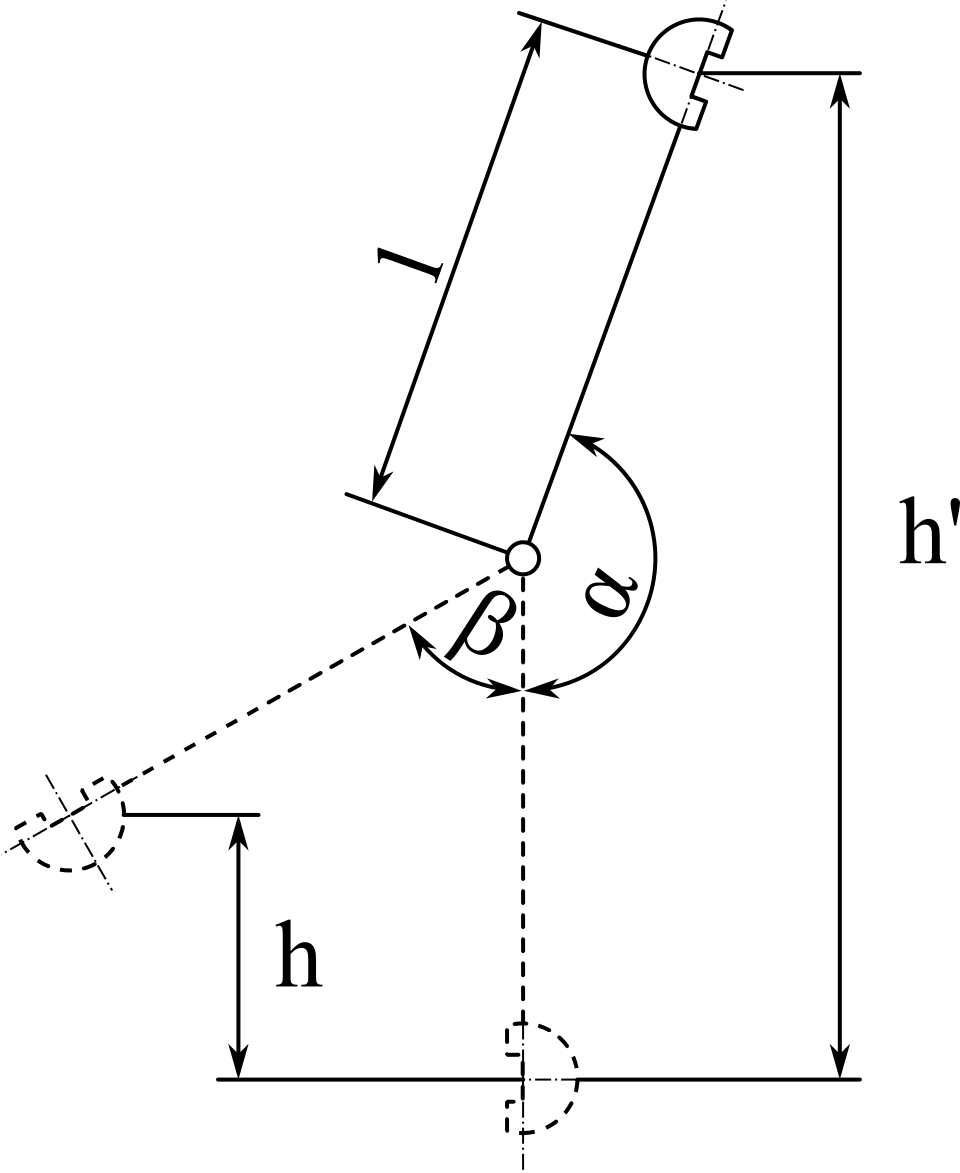
Charpy Impact Toughness
The impact toughness of a material derived from Charpy V-notch test energy absorption normalized by the fractured ligament area.
Composite Laminate Modulus (Rule of Mixtures)
The longitudinal elastic modulus of a fiber-reinforced composite predicted from the fiber and matrix moduli and the fiber volume fraction.
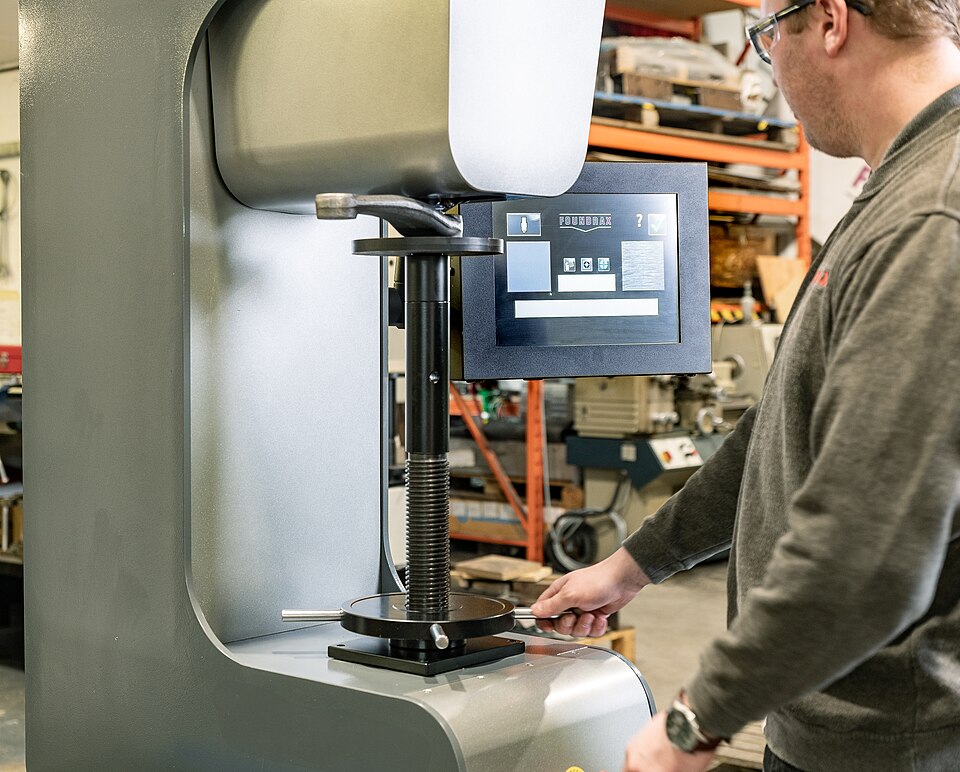
Brinell Hardness to Tensile Strength Conversion
An empirical estimate of ultimate tensile strength from a measured Brinell hardness number, widely used for quick steel strength screening.

Fillet Weld Throat Shear Stress
The shear stress on the effective throat of a fillet weld carrying a transverse or longitudinal load, the standard weld strength check.

Creep Strain Rate (Norton's Power Law, Simplified)
The steady-state (secondary) creep strain rate of a material under sustained stress and elevated temperature, from the empirical Norton power law.
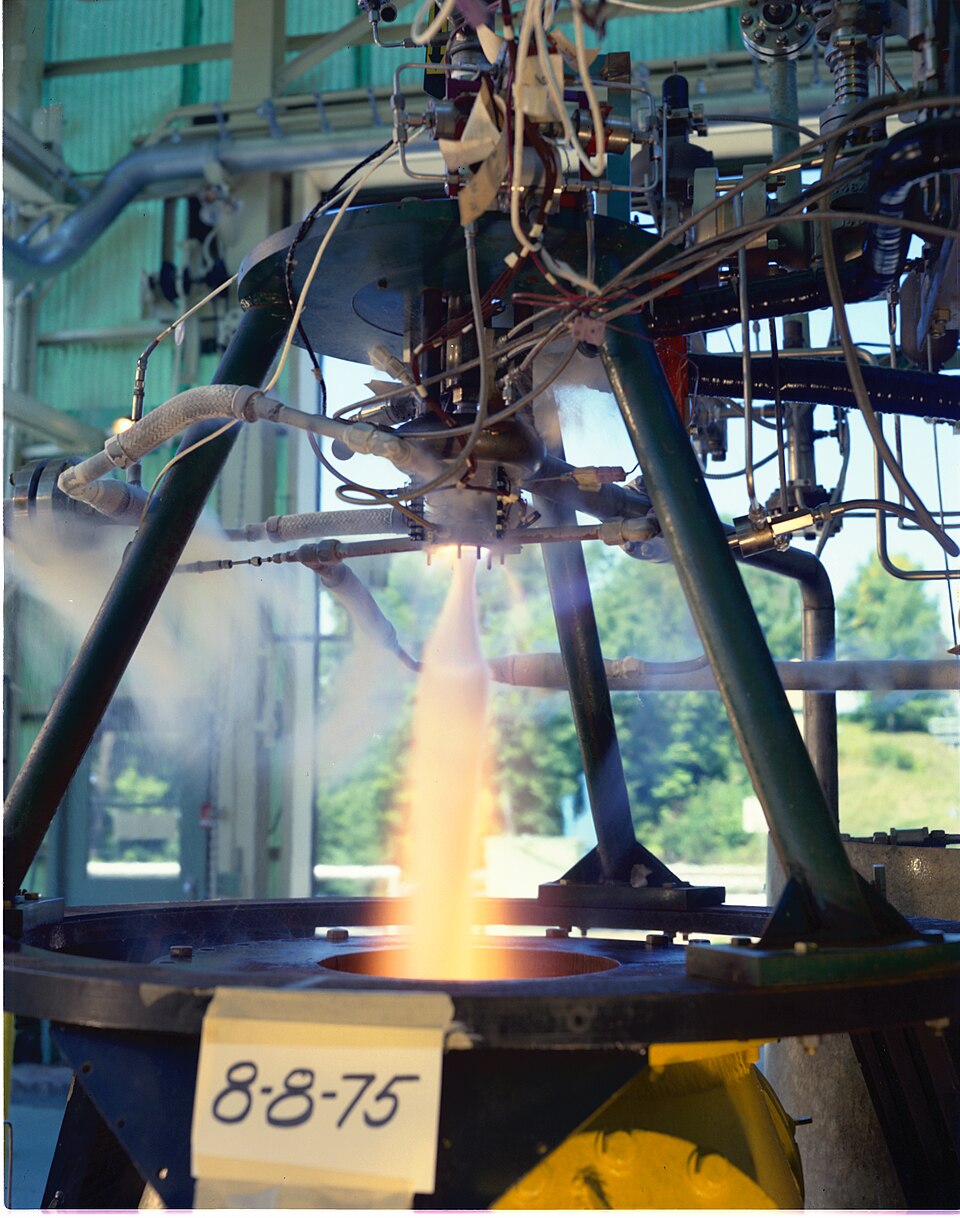
Coffin-Manson Low-Cycle Fatigue Life (Simplified)
The number of cycles to failure under low-cycle (plastic-strain-dominated) fatigue loading, from the Coffin-Manson strain-life relation.
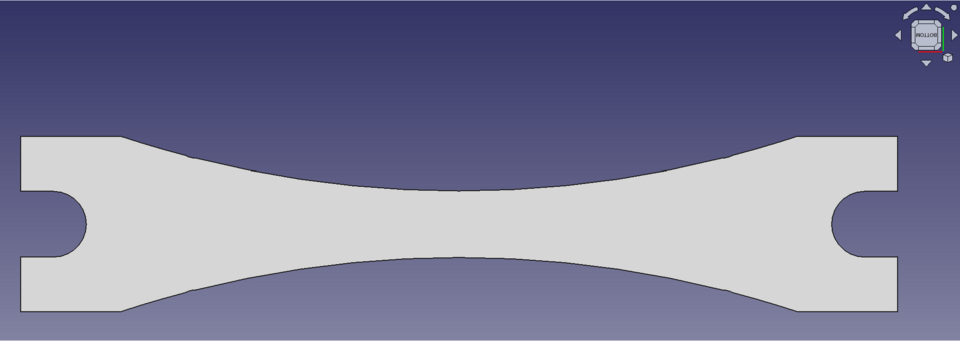
Elastic Strain Energy Density
The recoverable elastic energy stored per unit volume in a material under uniaxial stress, a key quantity in resilience and impact-resistance comparisons.

Breguet Range Equation
An aircraft's still-air cruise range predicted from cruise speed, engine specific fuel consumption, aerodynamic efficiency, and the ratio of start-of-cruise to end-of-cruise weight.

Rate of Climb from Excess Power
An aircraft's steady rate of climb computed from the power available in excess of what is needed for level flight, divided by aircraft weight.
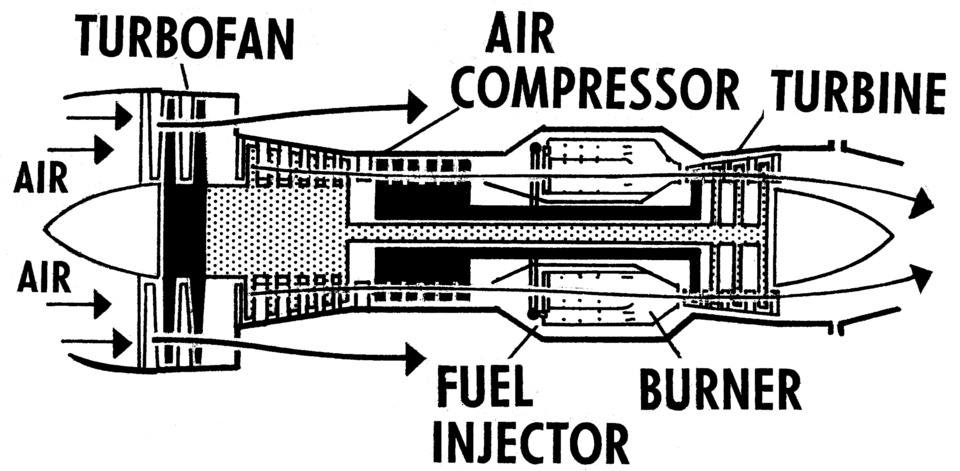
Turbojet Thrust (Simplified Momentum Form)
A turbojet engine's thrust computed from the momentum change it imparts to the air passing through it, neglecting pressure and fuel mass-flow terms.
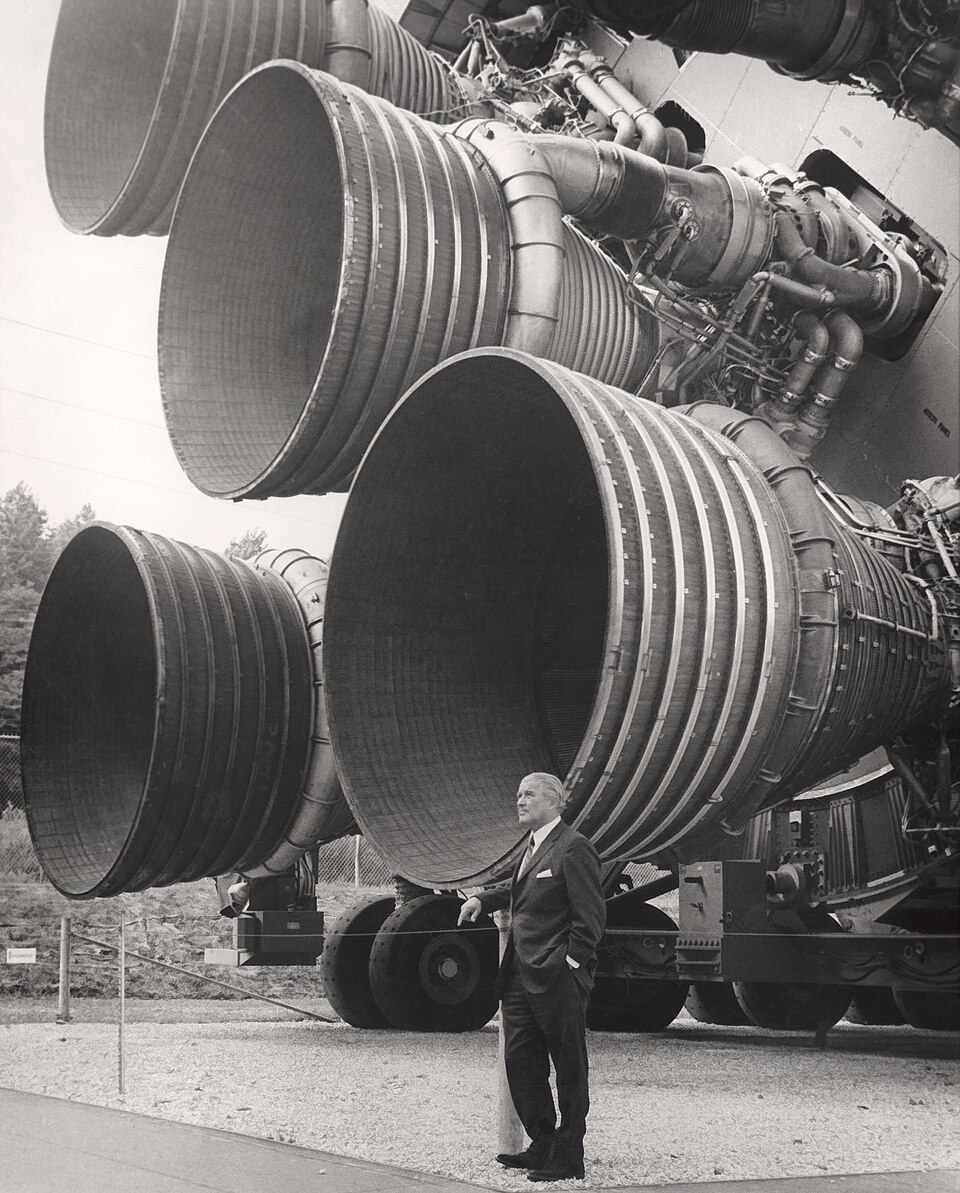
Rocket Specific Impulse
A rocket engine's specific impulse computed from thrust, propellant mass flow rate, and standard gravity — the standard measure of propulsion efficiency.

Orbital Period from Kepler's Third Law
The orbital period of a satellite in a circular orbit, computed from the orbit radius and the gravitational parameter of the central body.
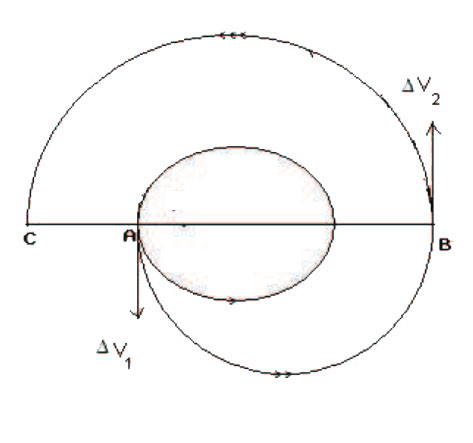
Hohmann Transfer First-Burn Delta-v
The velocity change required for the first of two burns in a Hohmann transfer, the fuel-optimal way to move a spacecraft between two circular orbits.
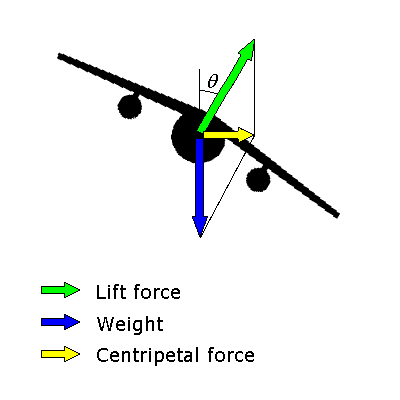
Load Factor in a Banked Turn
An aircraft's load factor (structural g-loading) during a coordinated, constant-altitude turn as a function of bank angle.
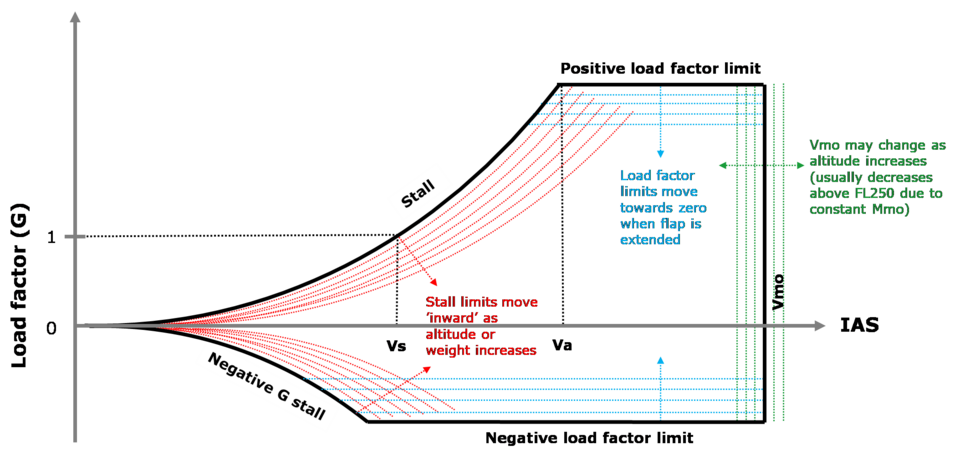
Maximum Load Factor from CLmax at Never-Exceed Speed
The maximum structural load factor an aircraft can generate aerodynamically at its never-exceed speed, using maximum lift coefficient and wing area.

Propeller Static Thrust (Actuator Disk Theory)
The static (zero-forward-speed) thrust of a propeller predicted from actuator disk (momentum) theory, given disk area and induced velocity.
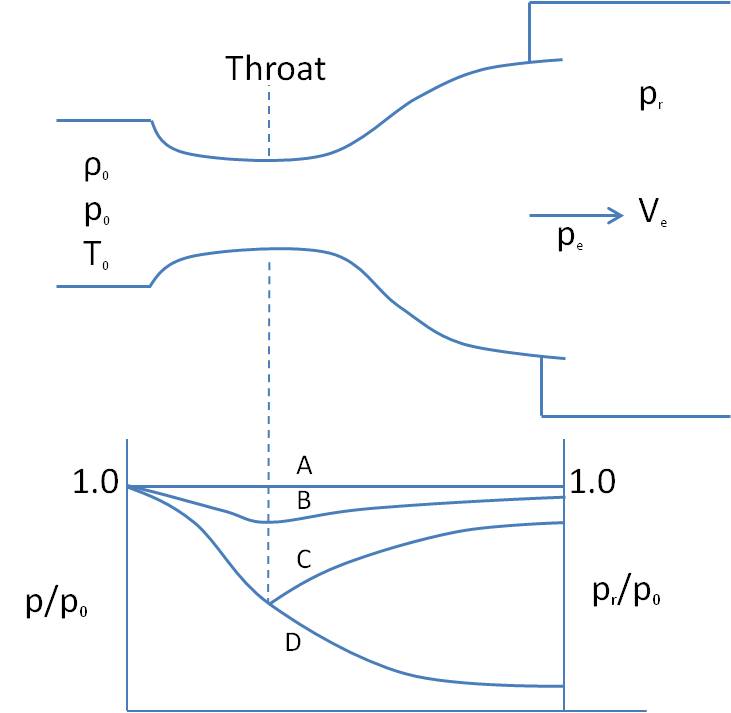
Critical Pressure Ratio at Sonic Flow (Compressible Flow Constant)
The stagnation-to-static pressure ratio at which flow through a converging nozzle first reaches sonic velocity (Mach 1) at the throat.
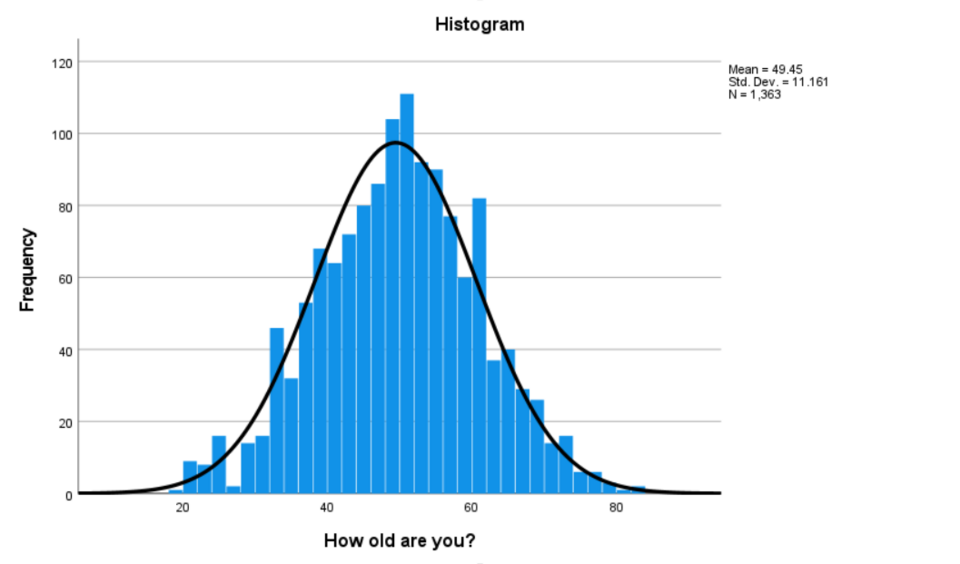
Mean and Standard Deviation of a Data Set
Sample mean and sample standard deviation of five measured values, computed from first principles.
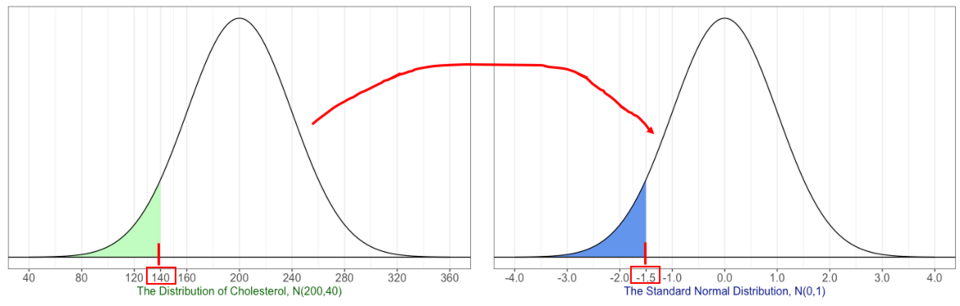
Standard Normal Z-Score
Converts a raw measurement into standard deviations from the mean (a z-score) for comparison against a normal distribution.
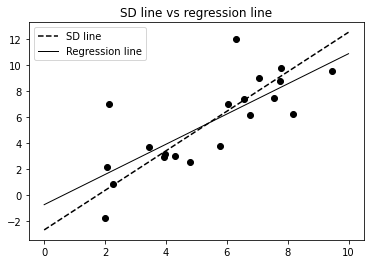
Linear Regression Slope and Intercept (Least Squares)
Best-fit straight line through four data points using the ordinary least-squares normal equations.

Sample Size for a Target Margin of Error
Minimum survey sample size needed to achieve a specified margin of error at a given confidence level.
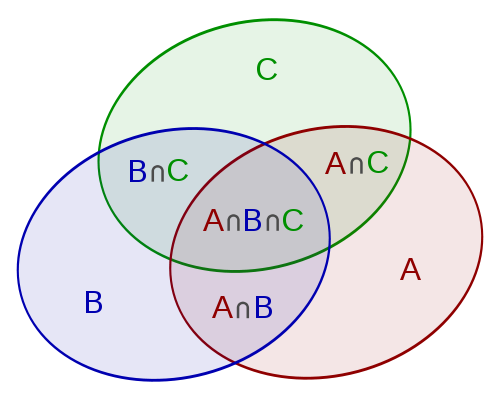
Permutations and Combinations Count
Number of ordered arrangements (permutations) and unordered selections (combinations) of r items chosen from n.